
 Featured
Lip liner color: match your lipstick or show the edge?
Separate depth, warmth and intensity, compare two border ideas in Hair Muse, then test the real pencil with your lipstick.
The MaqAI blog
Practical guides for exploring a look, comparing color, and turning inspiration into makeup you can test.
FeaturedSeparate depth, warmth and intensity, compare two border ideas in Hair Muse, then test the real pencil with your lipstick.
 Featured
Find which step drops pigment, use a lighter brush load and protect or repair your base without rubbing the eye area.
 Featured
Compare the two lash colors on one clear portrait, keep the lash shape steady and verify the shortlist with real mascara in your usual light.
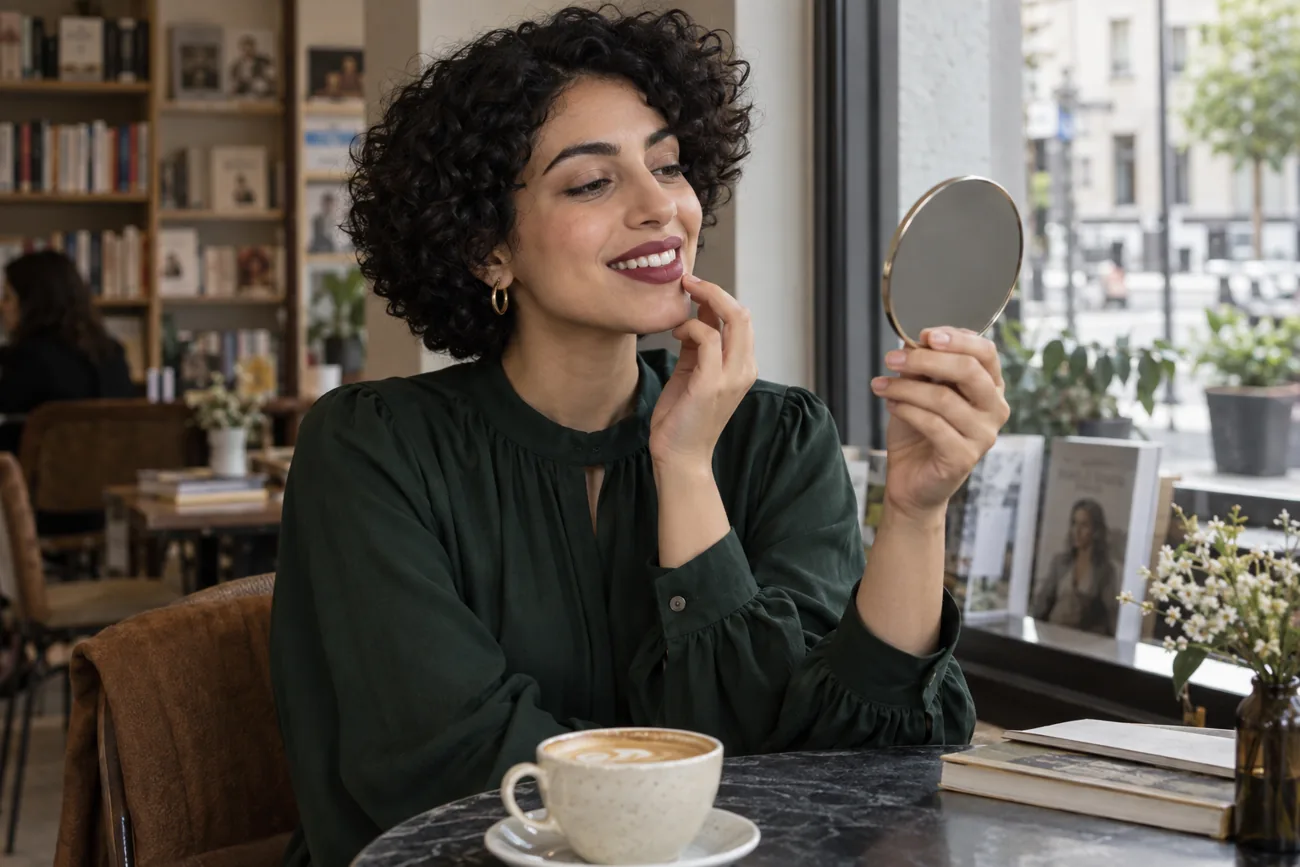
Find where color reaches your smile, keep the inner lip clear and test a thin application through an ordinary conversation and drink.
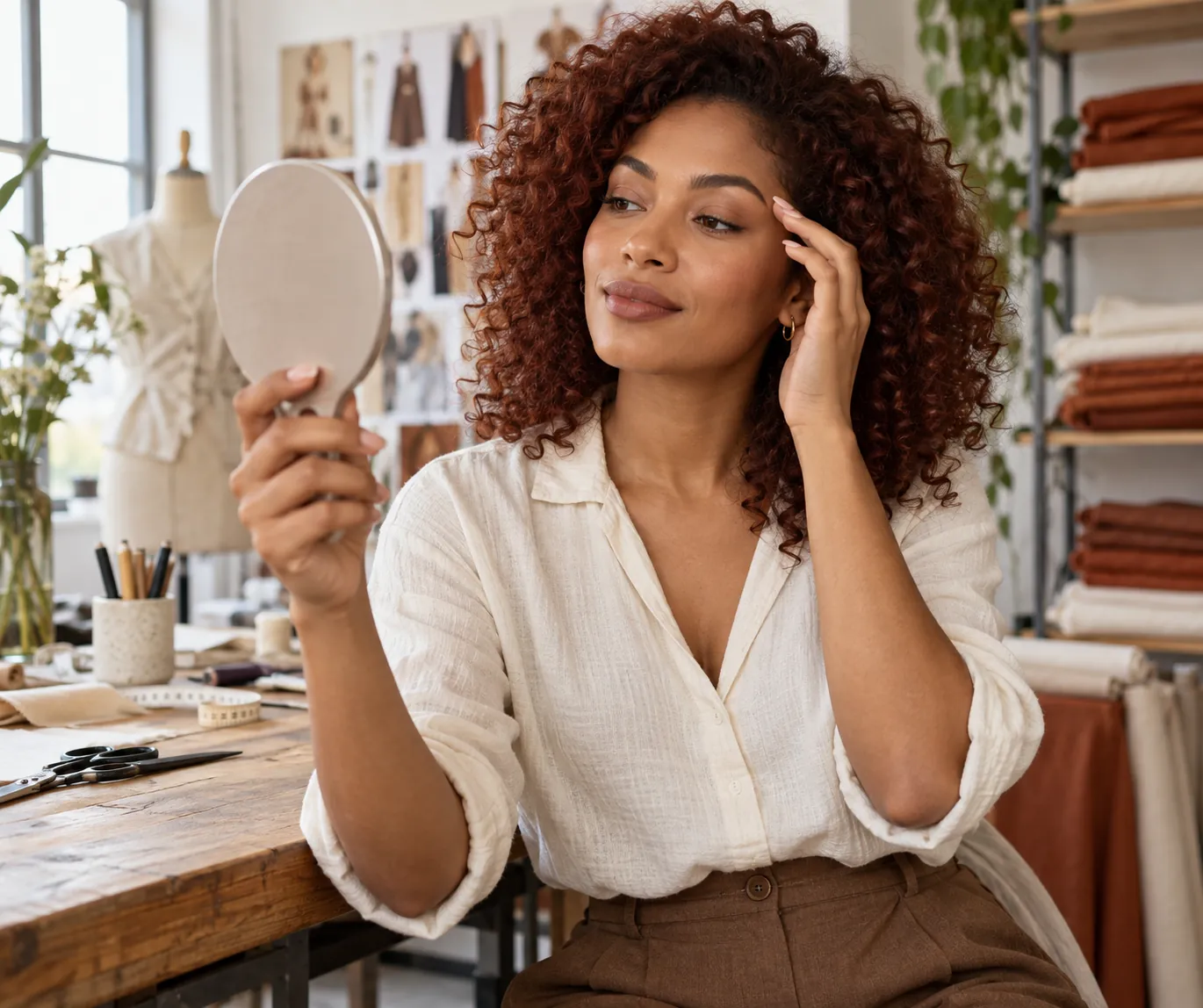
Compare restrained brow colors on one clear portrait, then check real pencil strokes against your brow hairs in daylight.
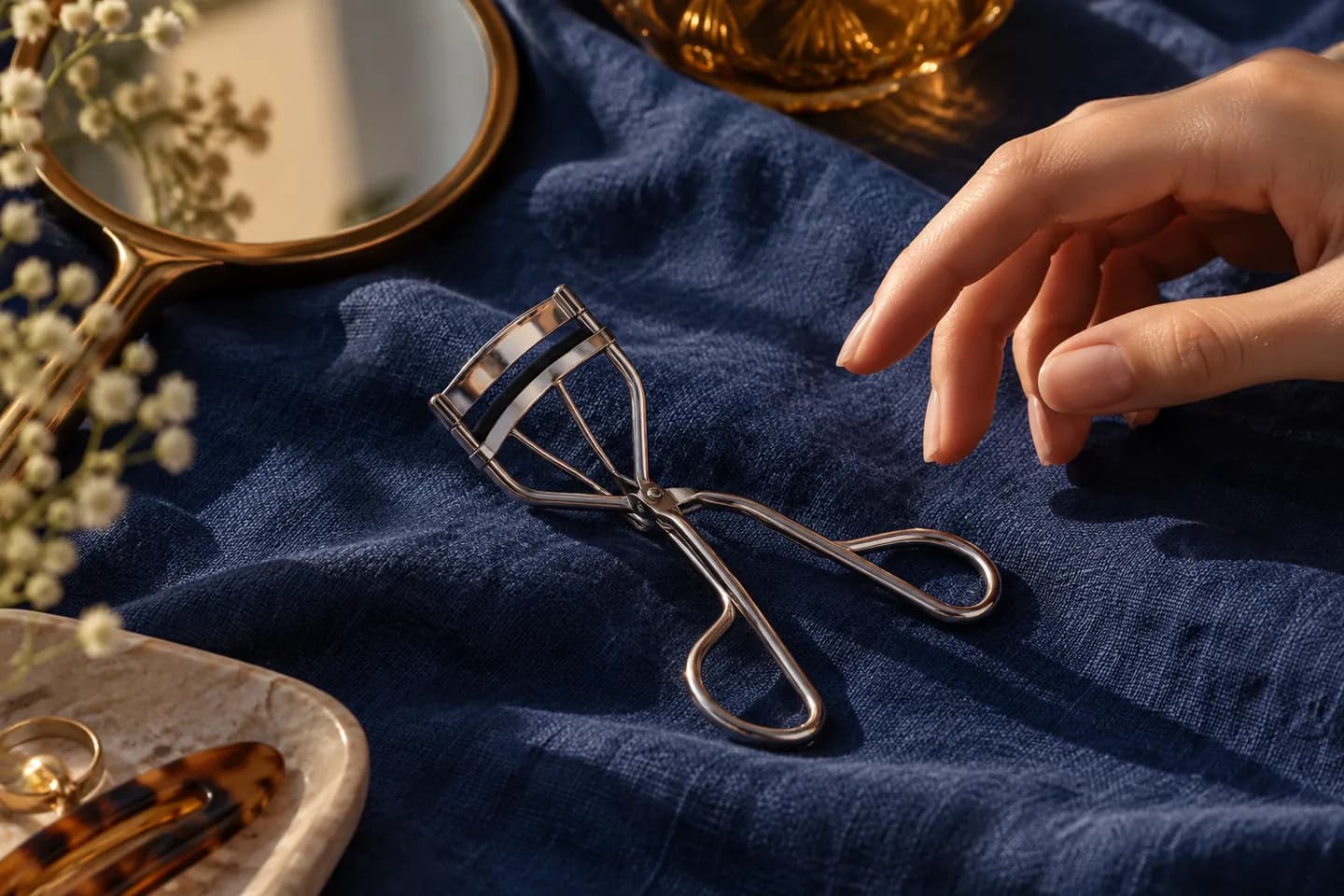
A measured curler routine for clean lashes, a comfortable fit, a soft curve and a real-life check.
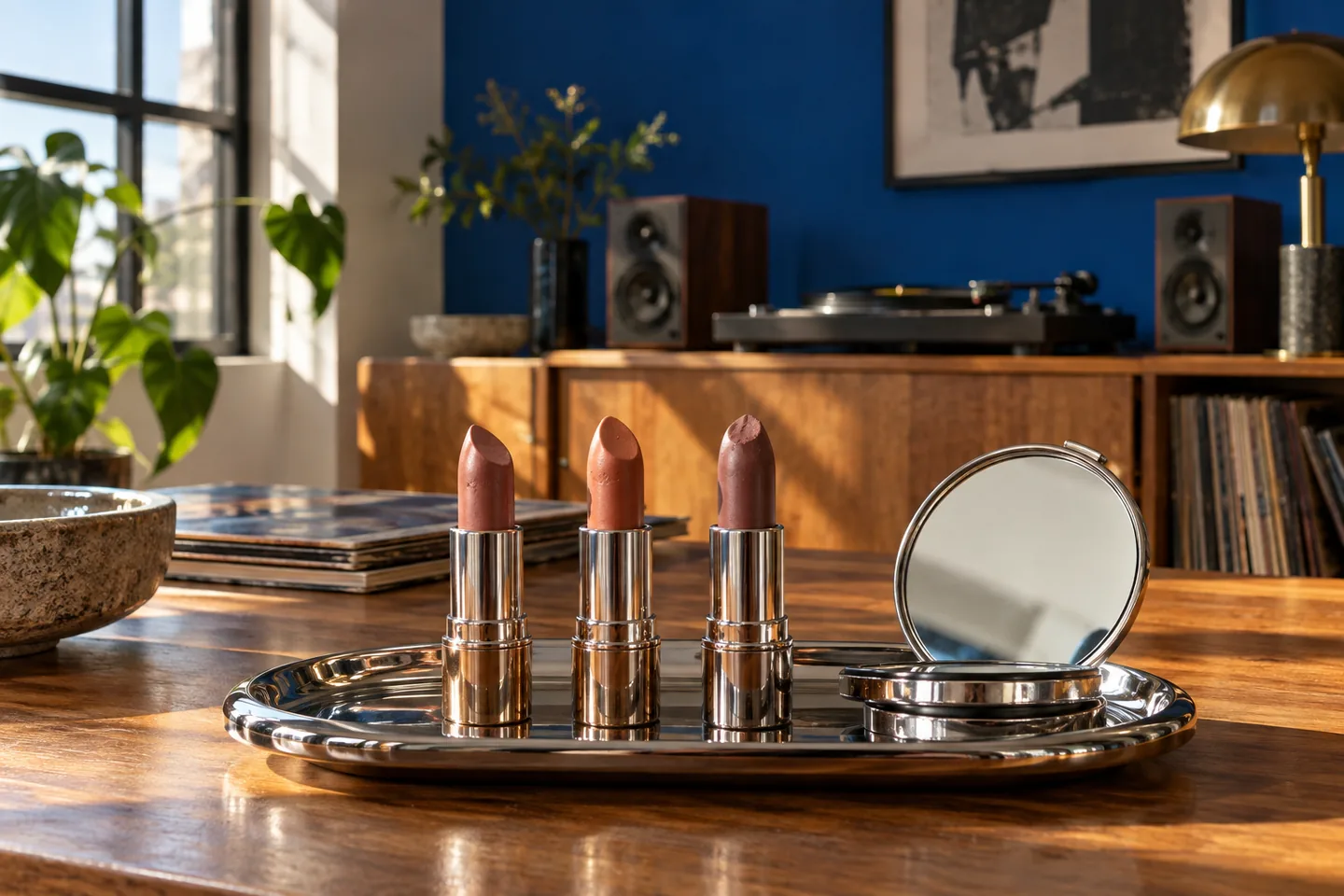
Compare lip depth and color direction on one clear portrait, then verify two candidates on your own lips in ordinary light.
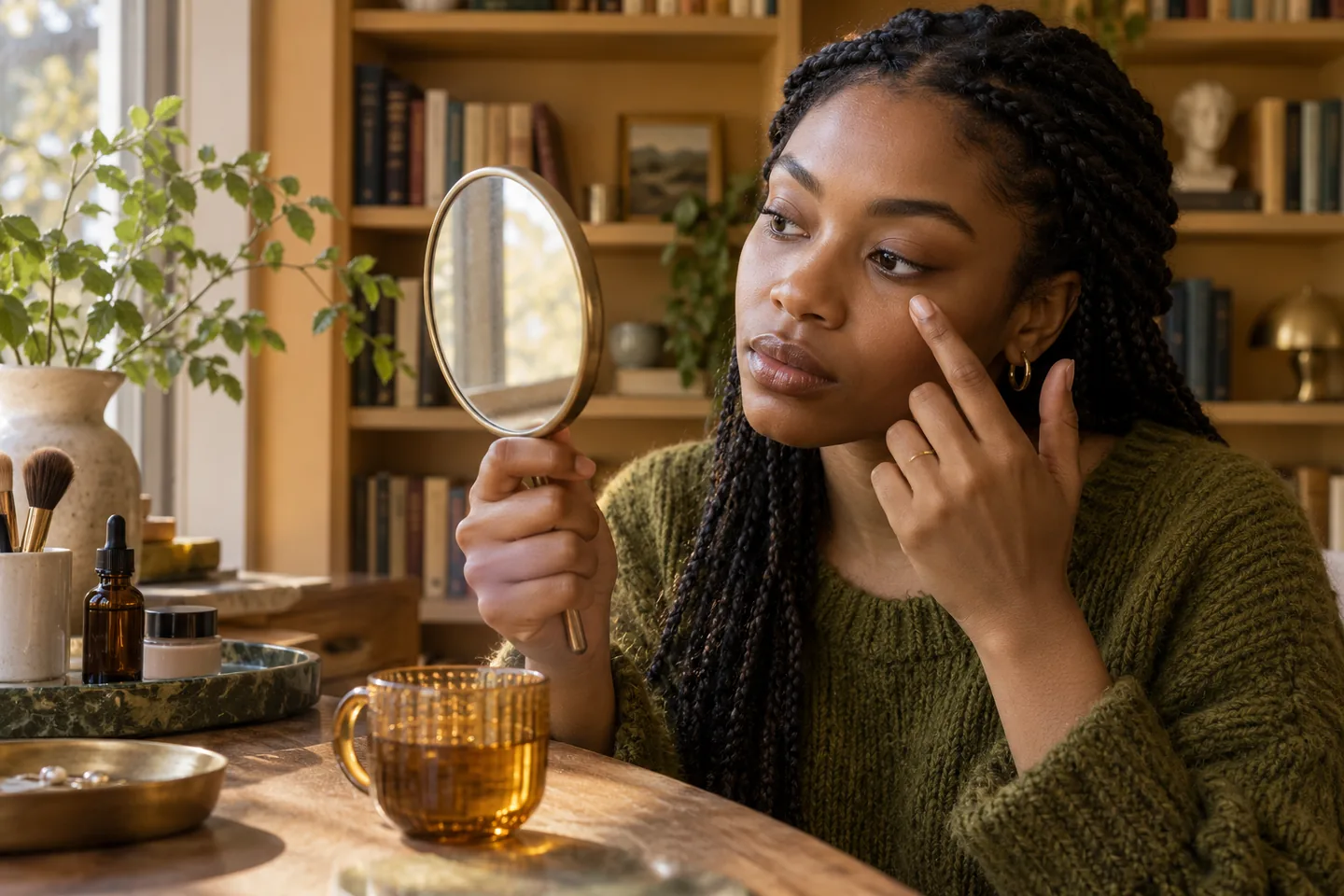
Read the color and the shadow separately, then use a small corrector and thin concealer only where they help.
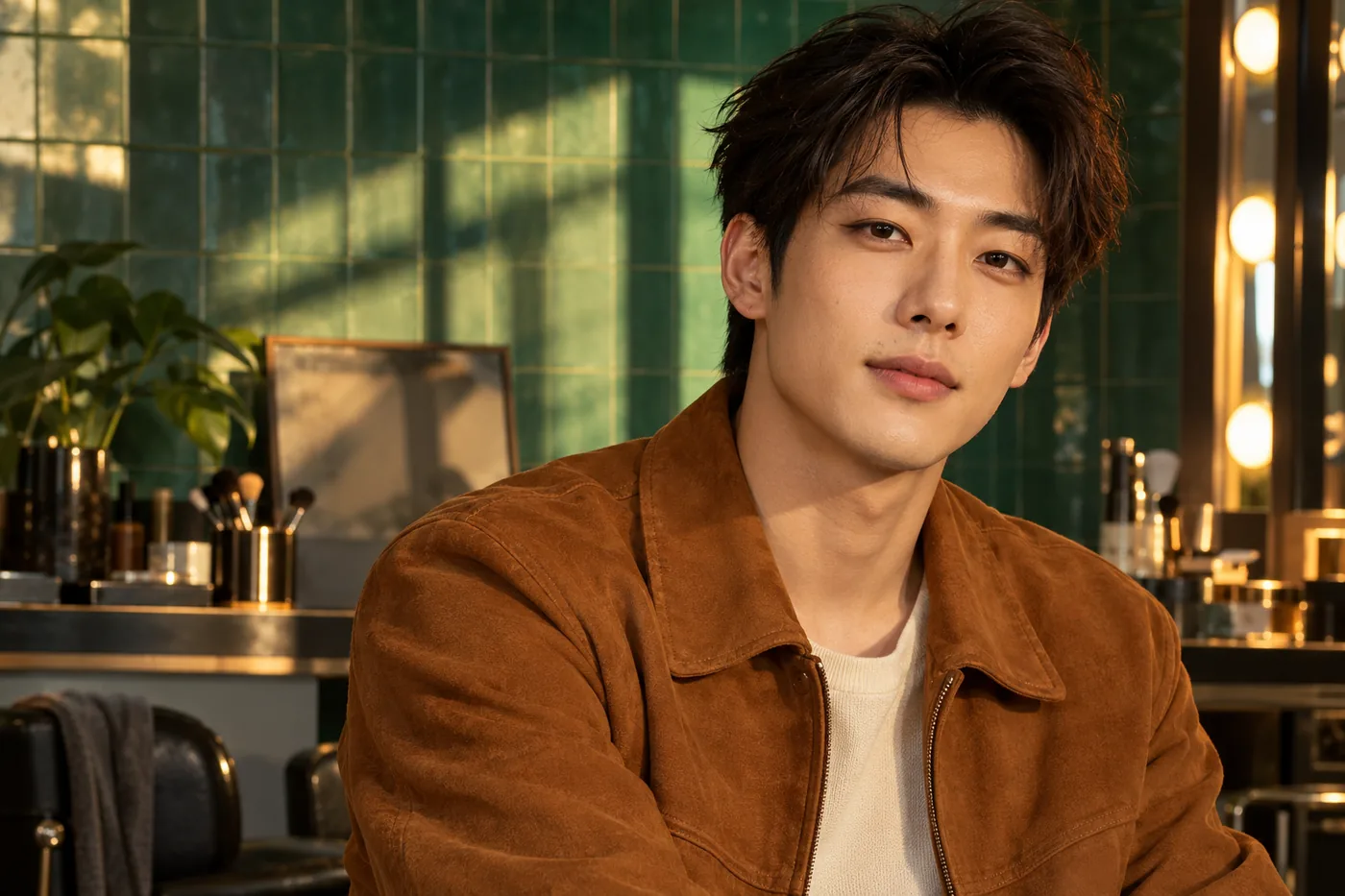
Map a line with your eyes open, compare one placement at a time and test the real liner before committing.
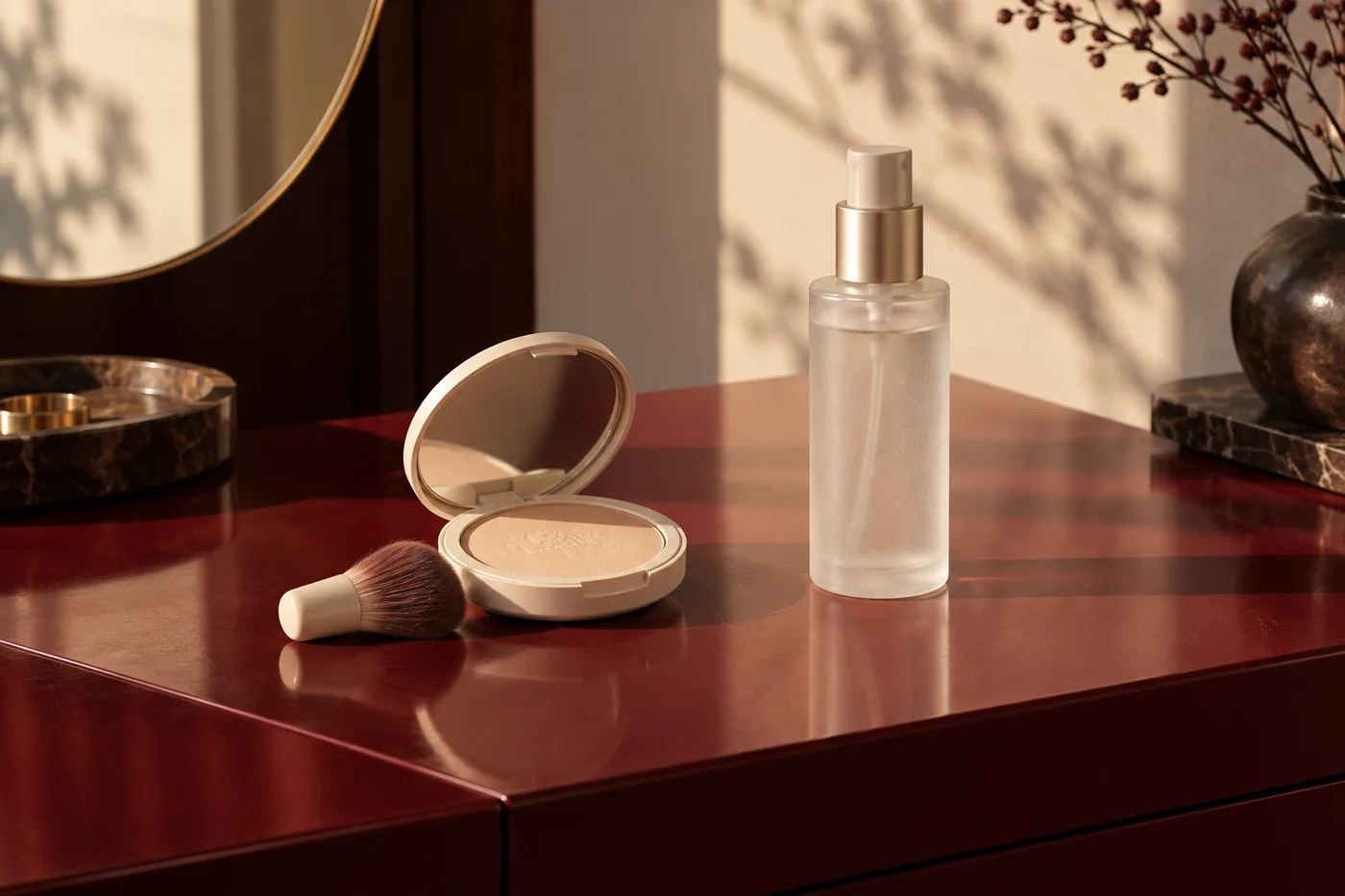
Separate shine control, surface finish and wear before adding another layer to your makeup.
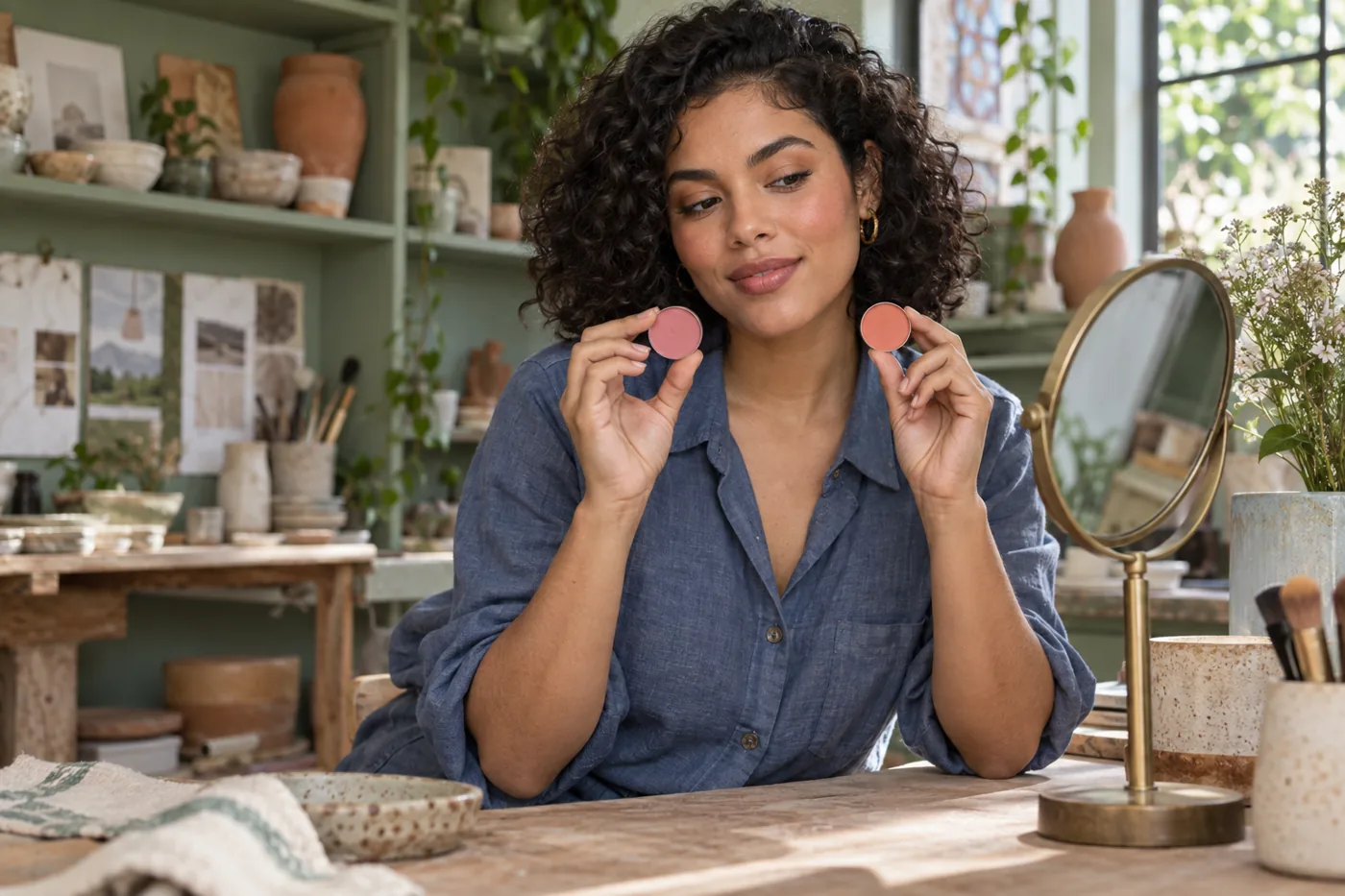
Choose a cheek-color direction without letting stronger pigment, extra shimmer or a different placement decide for you.
Find the contact point, reduce excess product, test the finished base and handle a mark according to the fabric label.
Compare undertone direction at one depth, shortlist two shades and check each on your actual jaw and neck.
Use the opening date, package guidance and condition of each formula to make a calm keep-or-replace decision.
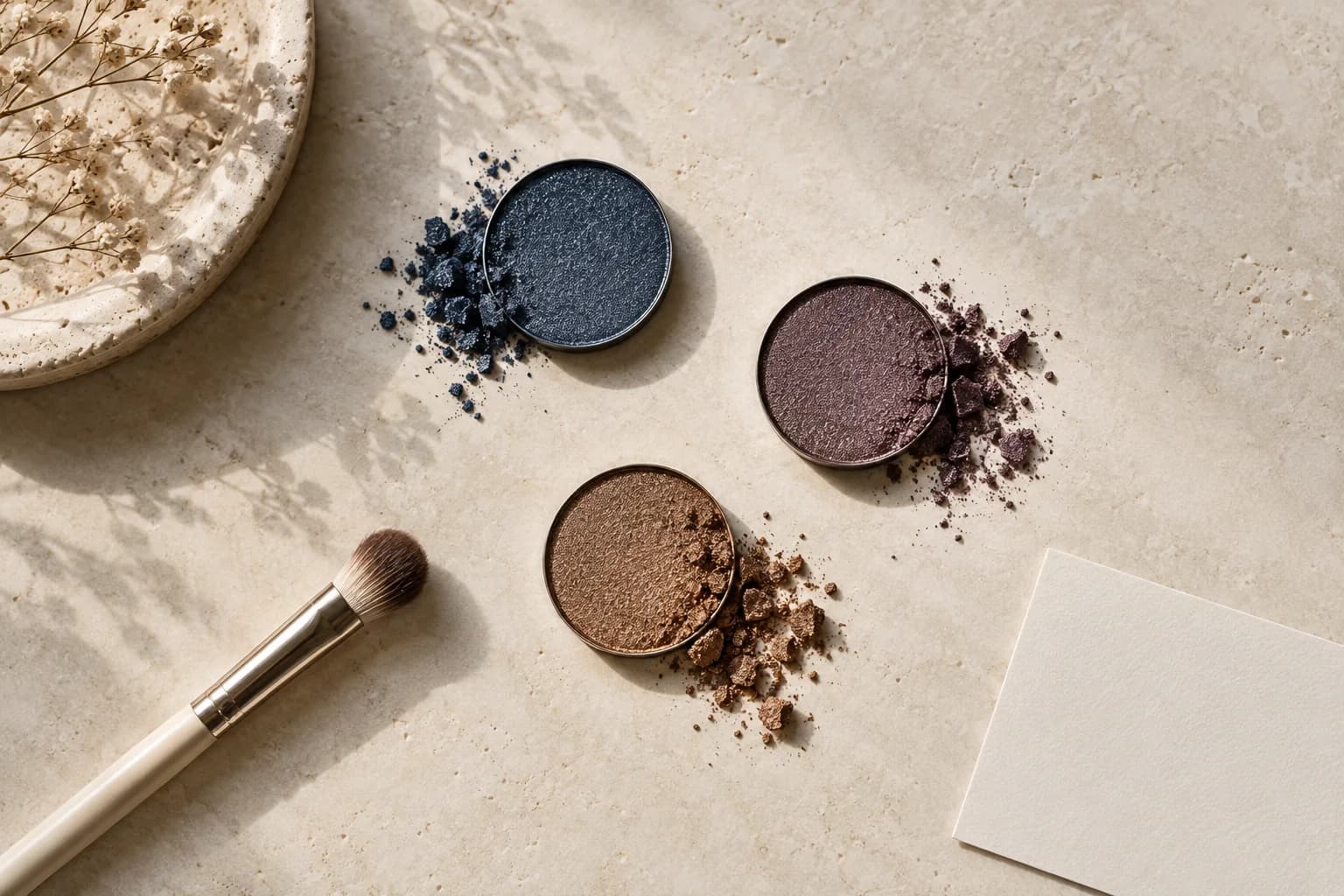
Compare three distinct color directions on one clear portrait, then check a short list with real shadow and the light you actually use.
Match the remover to the mascara, give it time to loosen the film and use clean downward passes instead of repeated scrubbing.
Plan restrained definition, rehearse it in even light and keep the official image recognizably yours.
Diagnose where color disappears, then build a thin, comfortable lip routine that survives ordinary talking, drinking and a realistic meal.
Compare plum, copper and taupe on one clear portrait, then test the strongest direction with real shadow in the light where you will wear it.
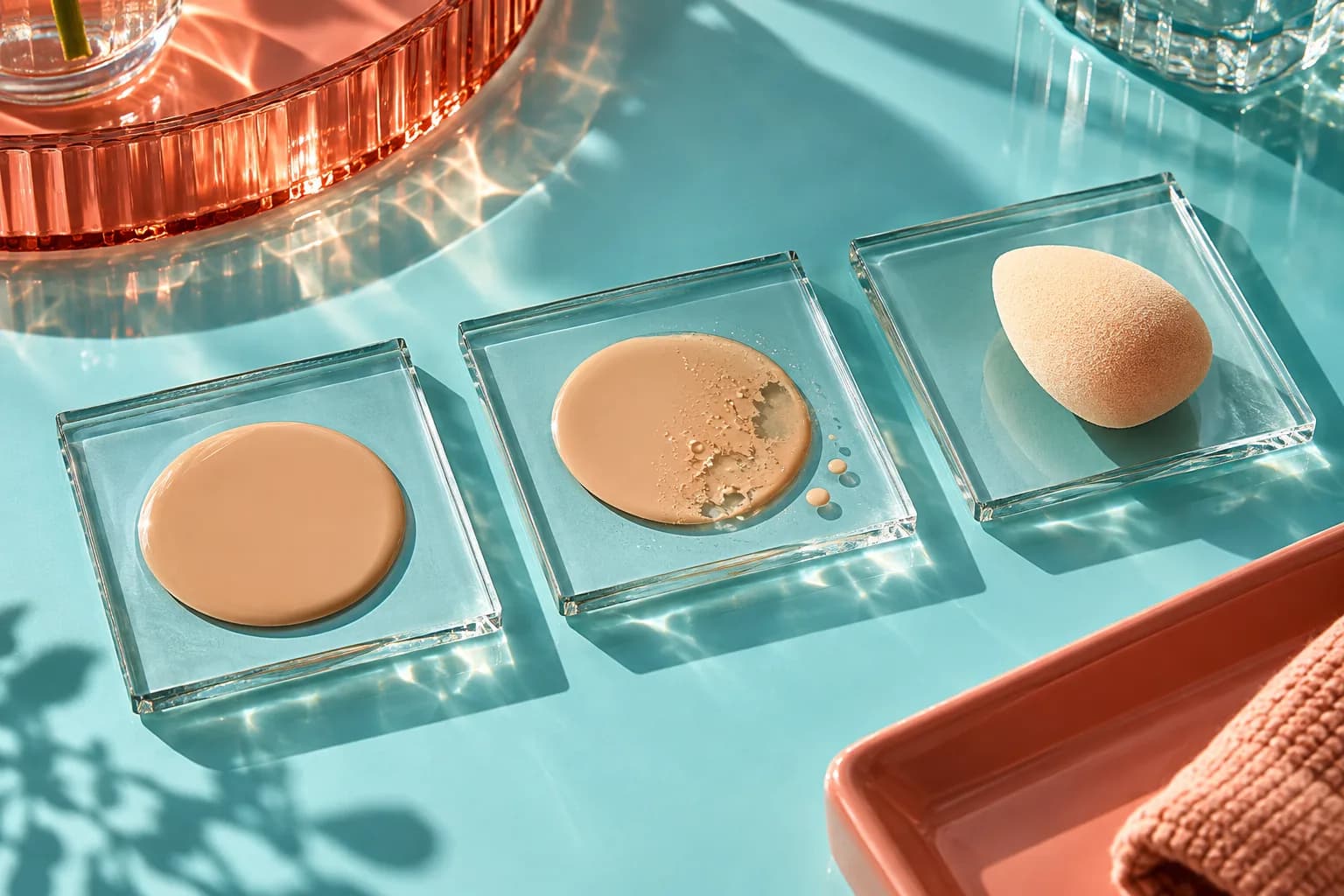
Map where a smooth base first splits, slides or leaves bare islands, then test preparation, amount and contact one variable at a time.
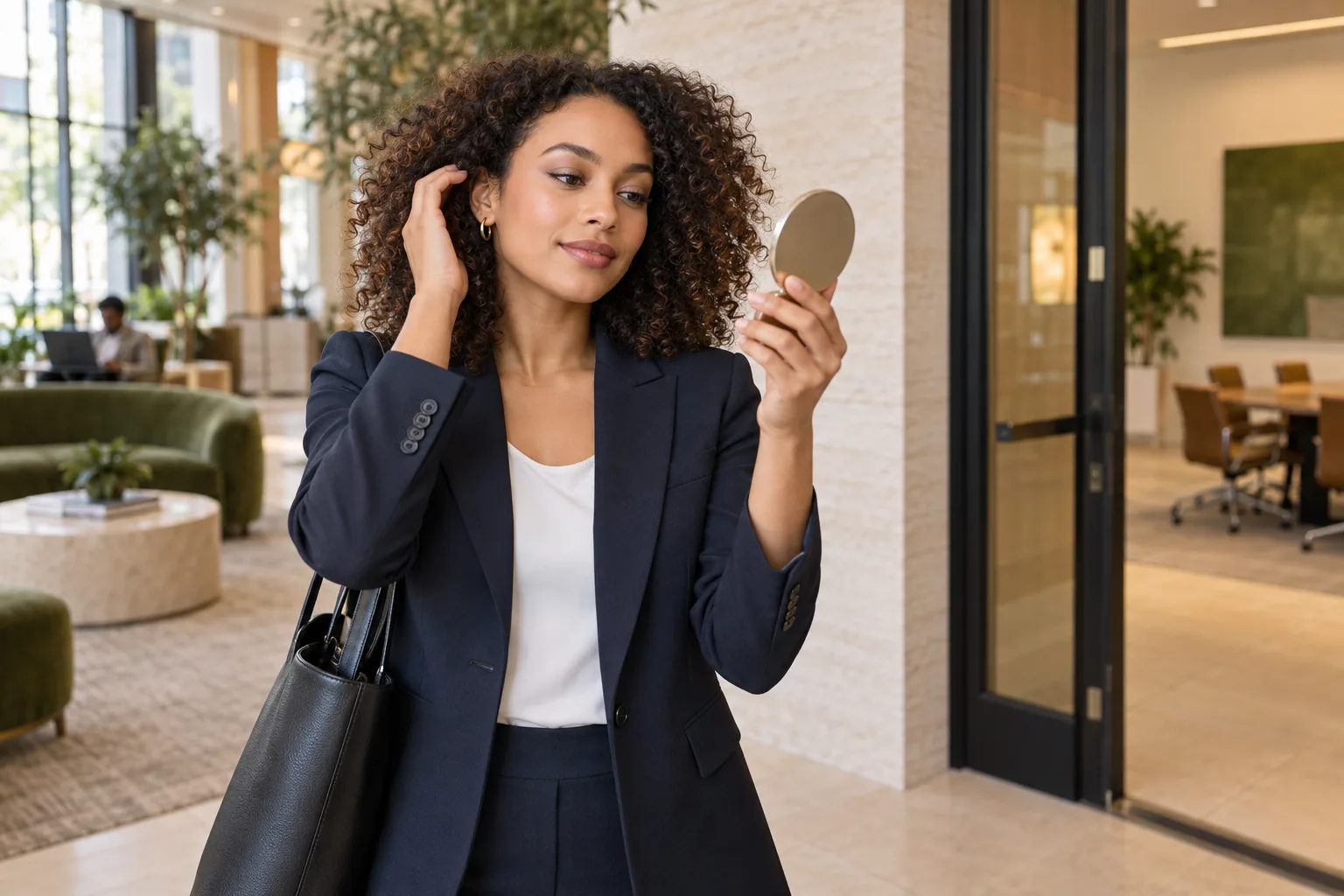
Plan a familiar, comfortable look for an in-person or video interview, then test it in the light and schedule you will actually face.
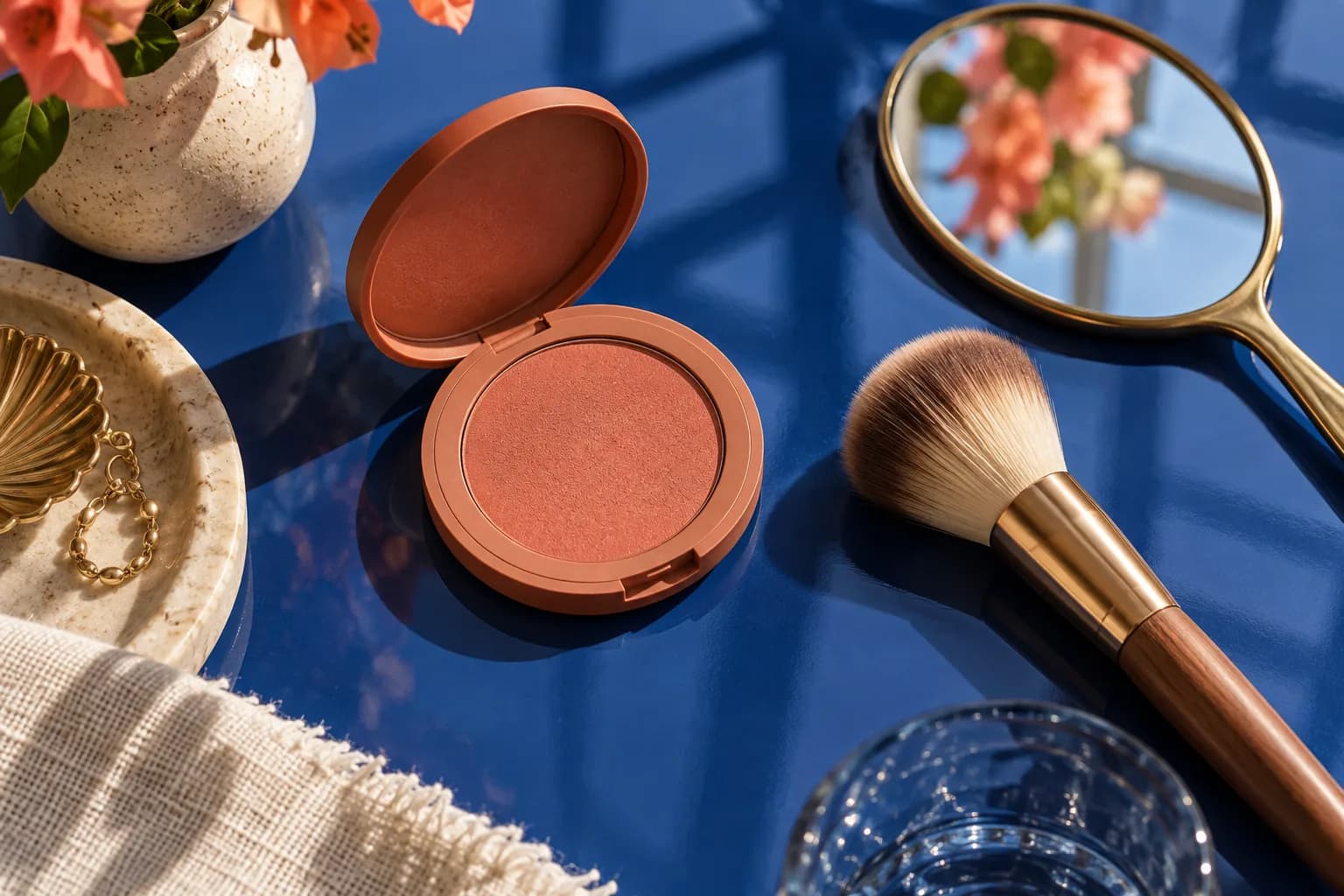
A practical wear test separates real color loss from lighting changes, transfer and a base that moves beneath blush.

Compare eye, brow and lip emphasis on one clear portrait, then put on the actual glasses and check the fit, lenses and wear.
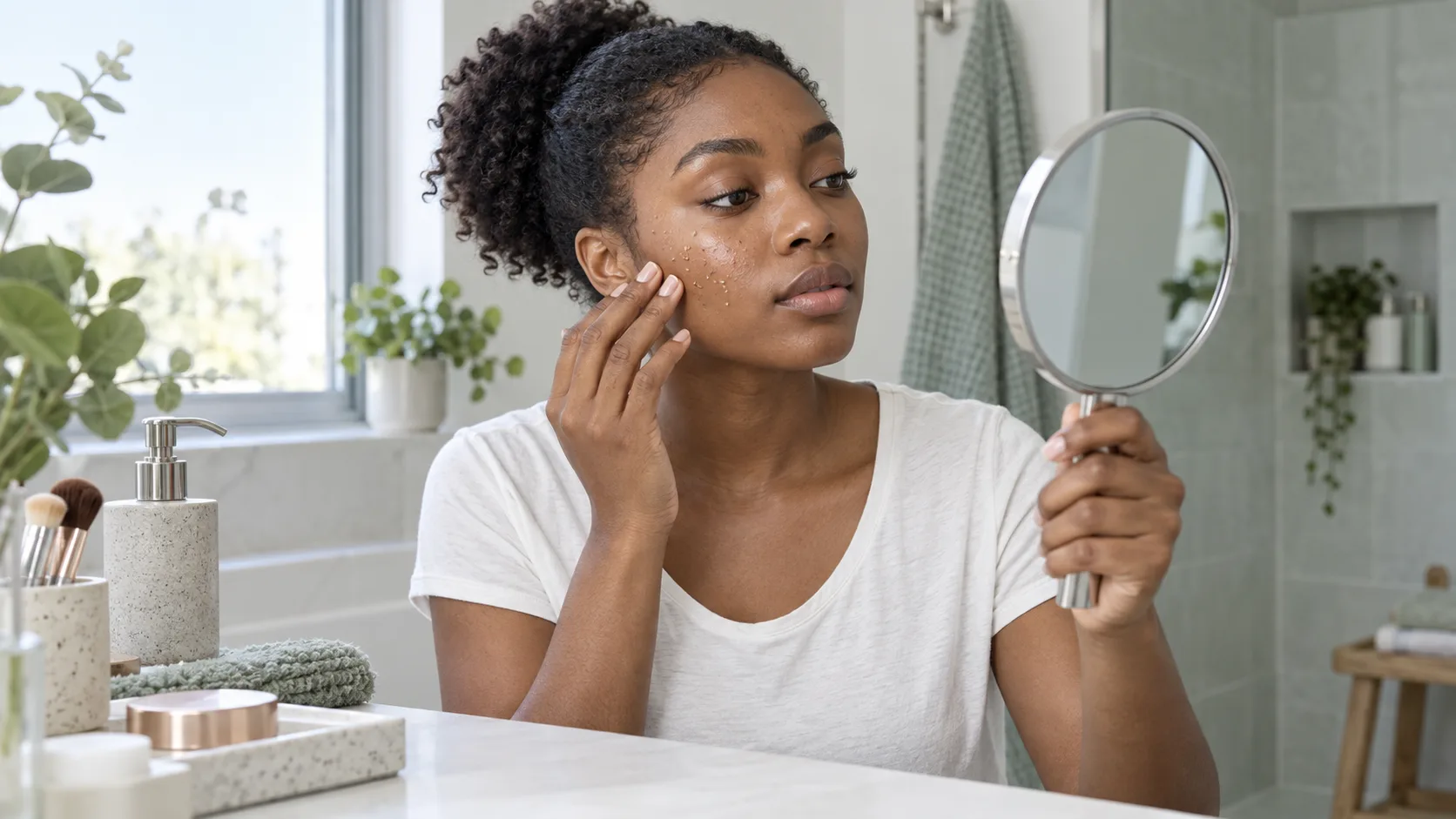
Separate product rolls from dry flakes, locate the first unstable layer and rebuild a shorter morning routine without sacrificing sunscreen.
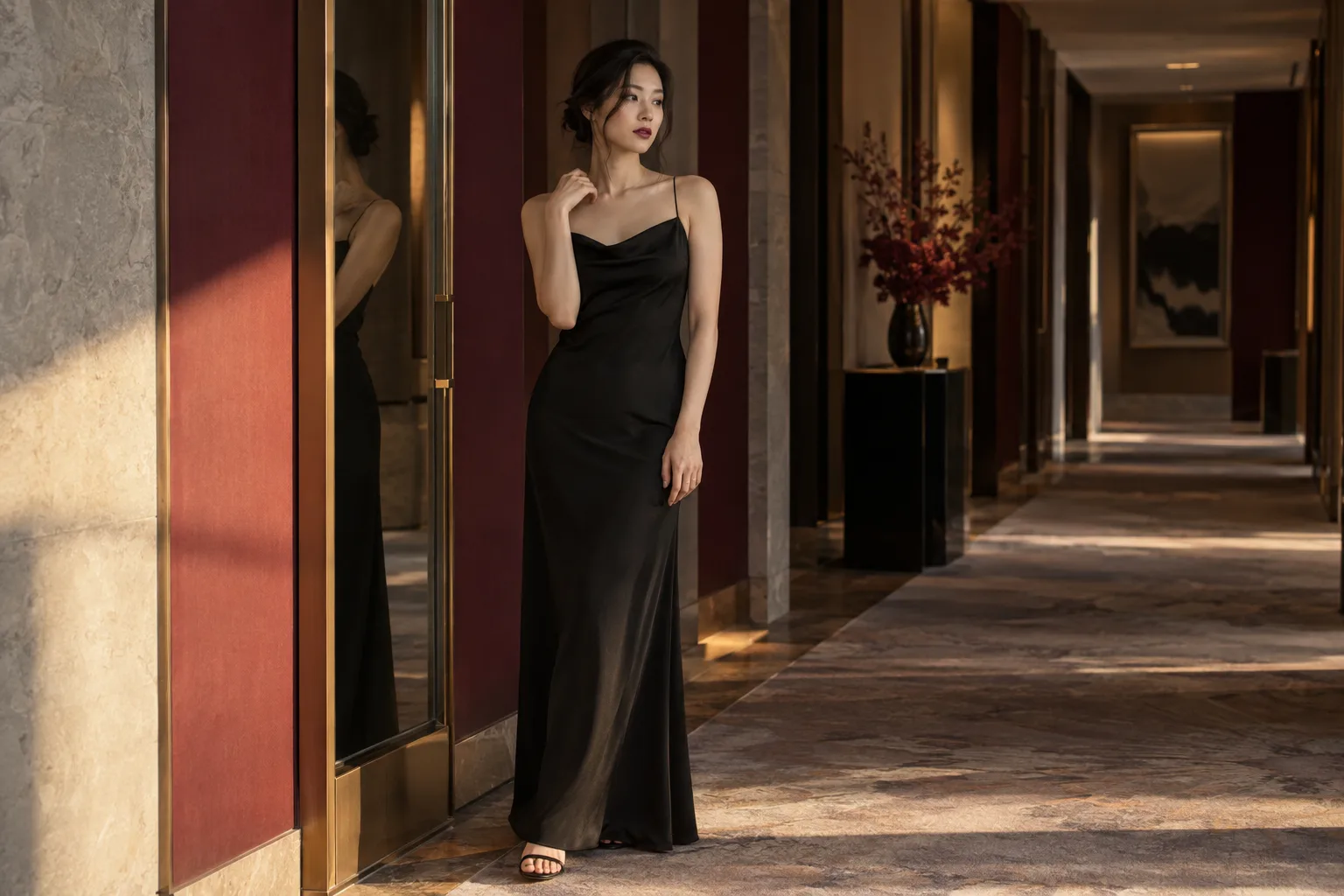
Let the dress, jewelry and actual light guide three controlled makeup directions before you commit to products.
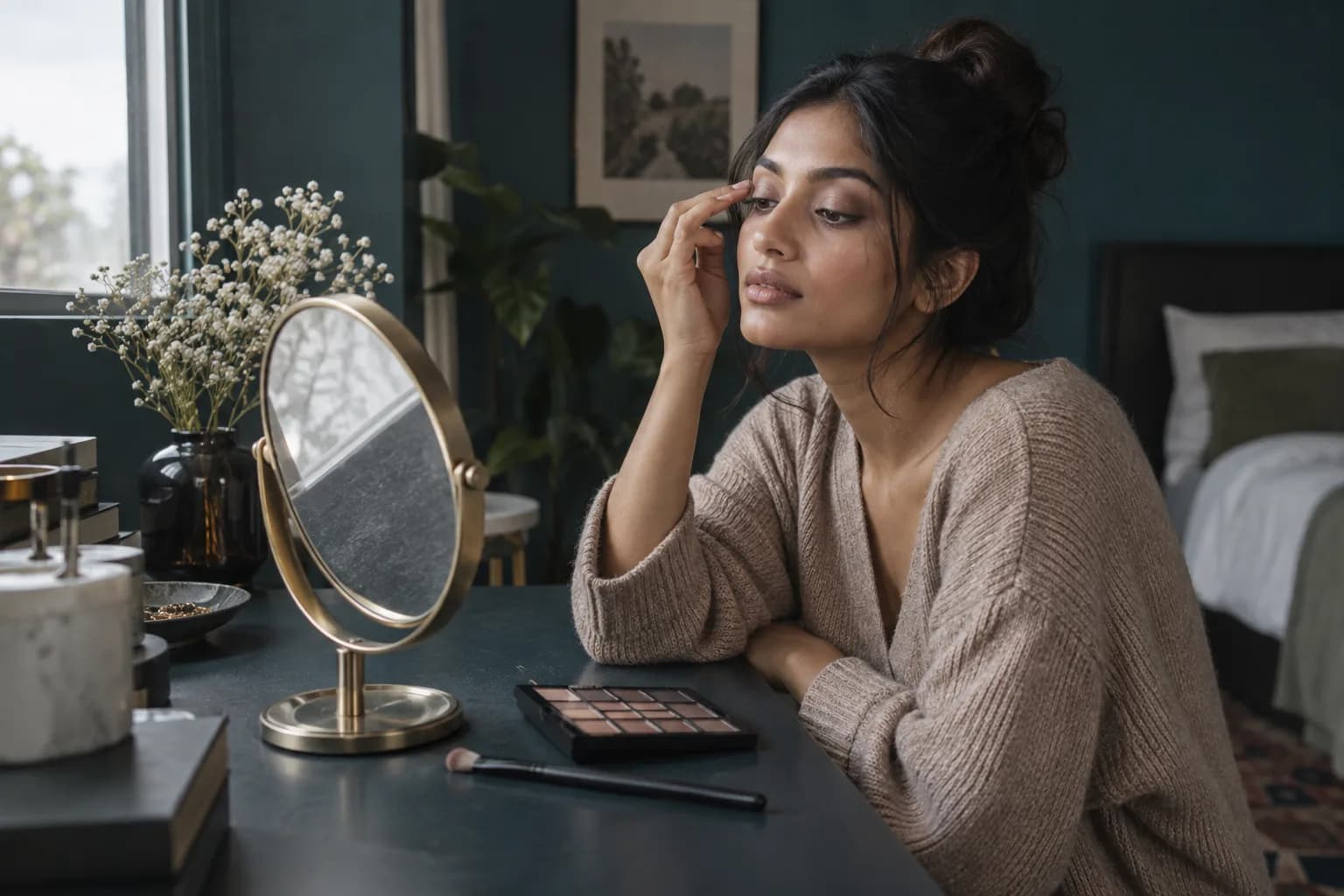
Find the layer that moves first, then test a thinner base, controlled shadow and a real midday wear check.
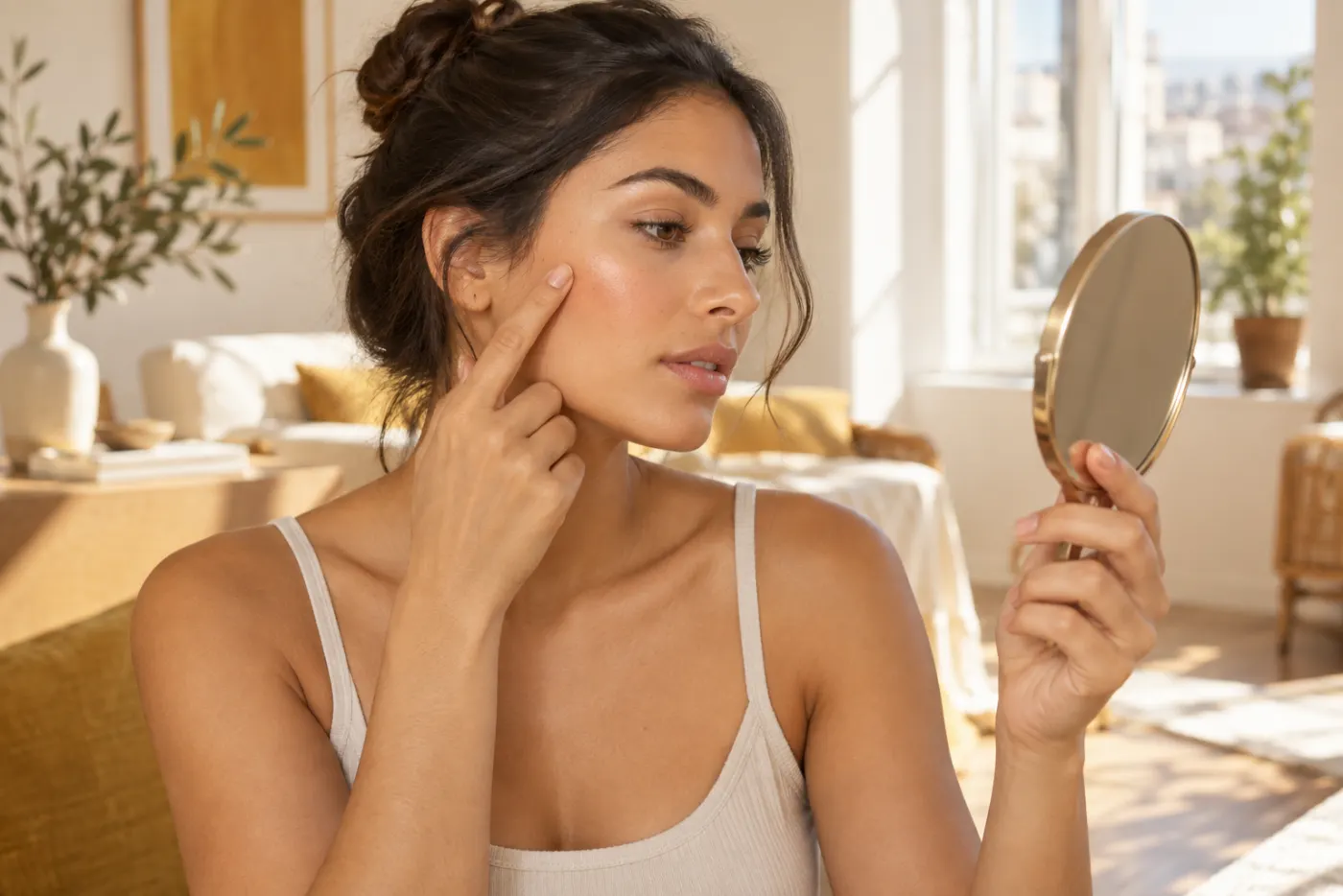
Compare a few intentional glow placements on one portrait, then check the winner with real product in daylight.
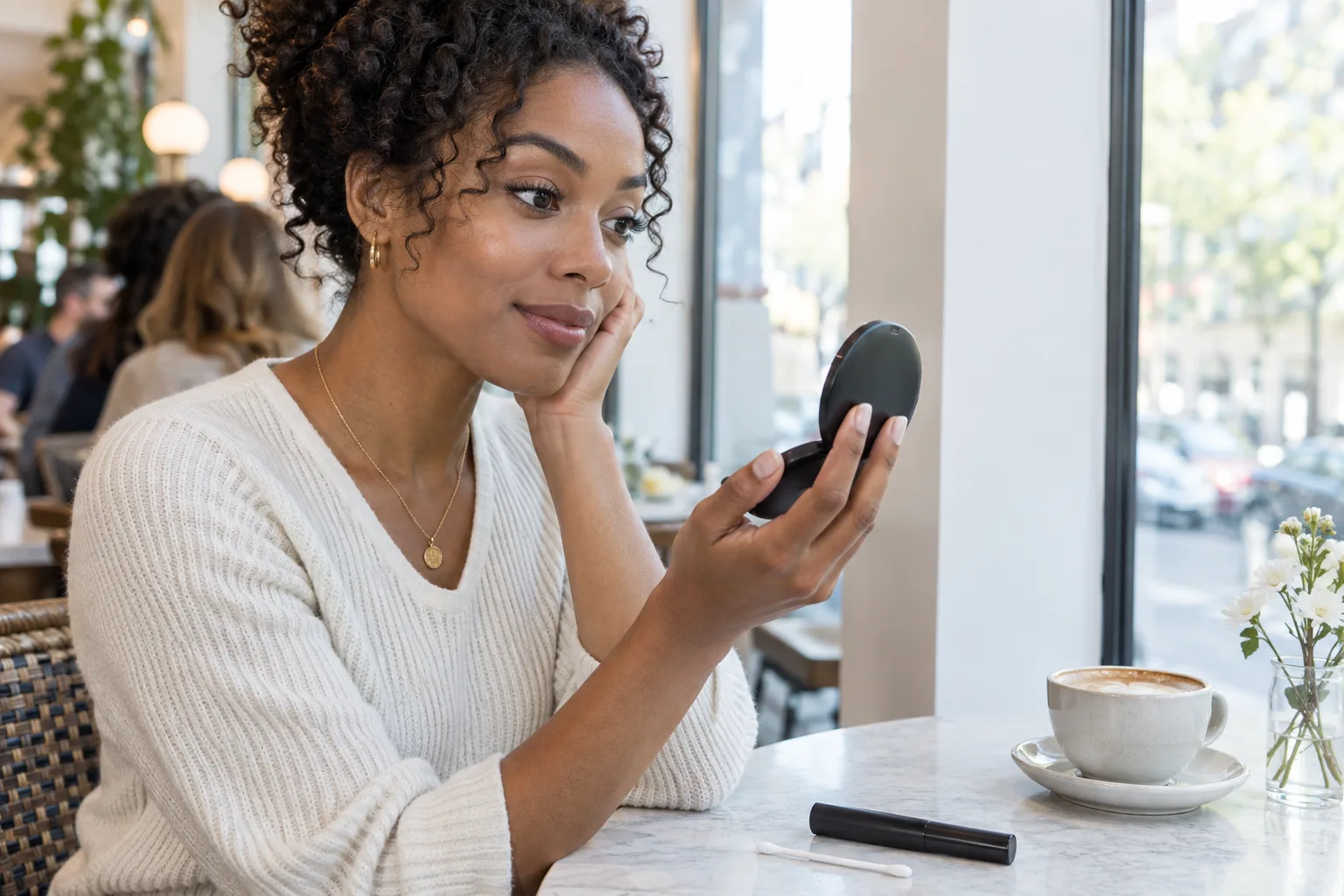
Find out whether the mark is a wet stamp, oily transfer or dry flaking, then change the smallest part of your routine that can solve it.
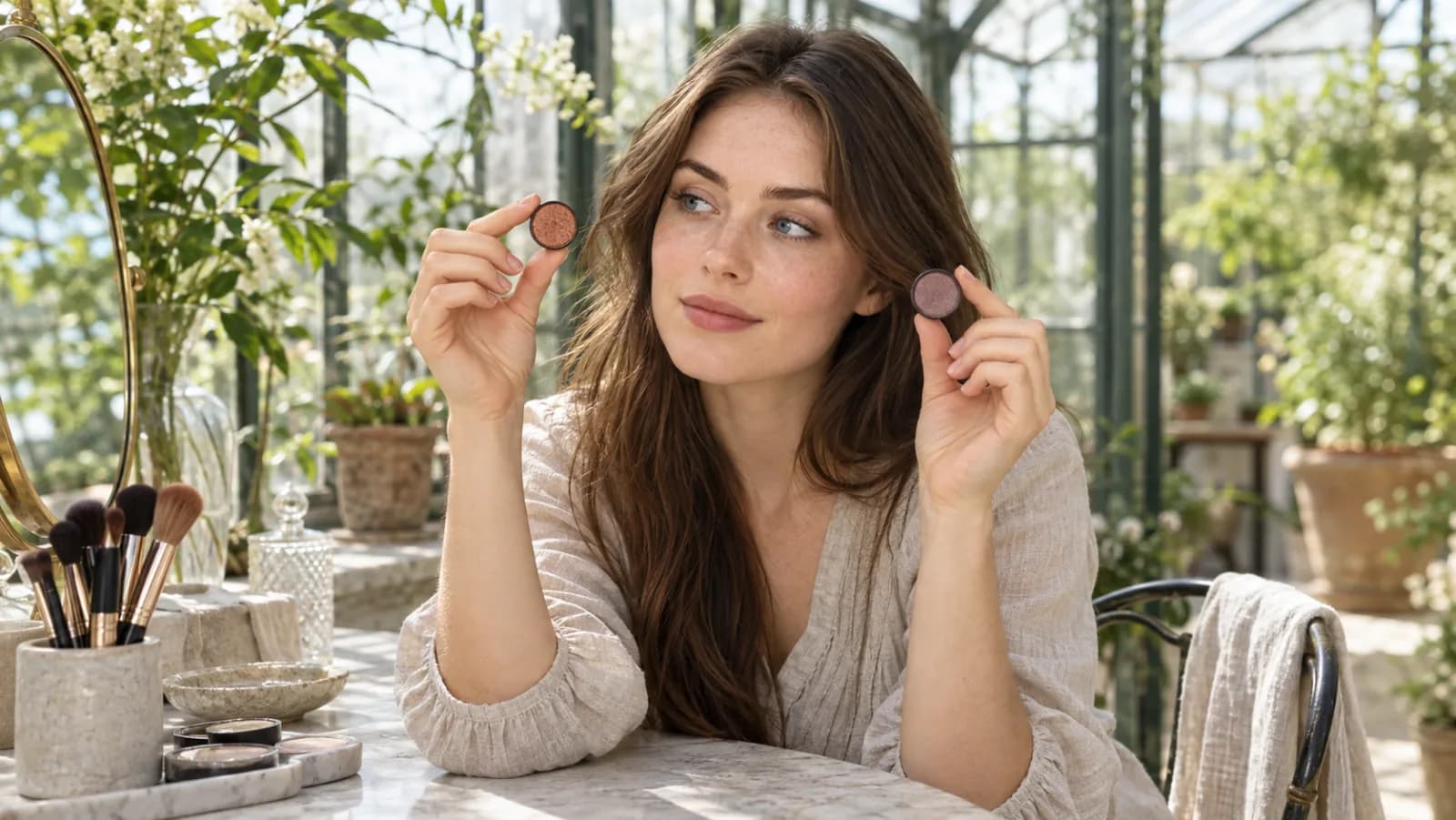
Compare three useful color families on one steady portrait, identify the effect you prefer and verify it with real powder in the light you actually use.
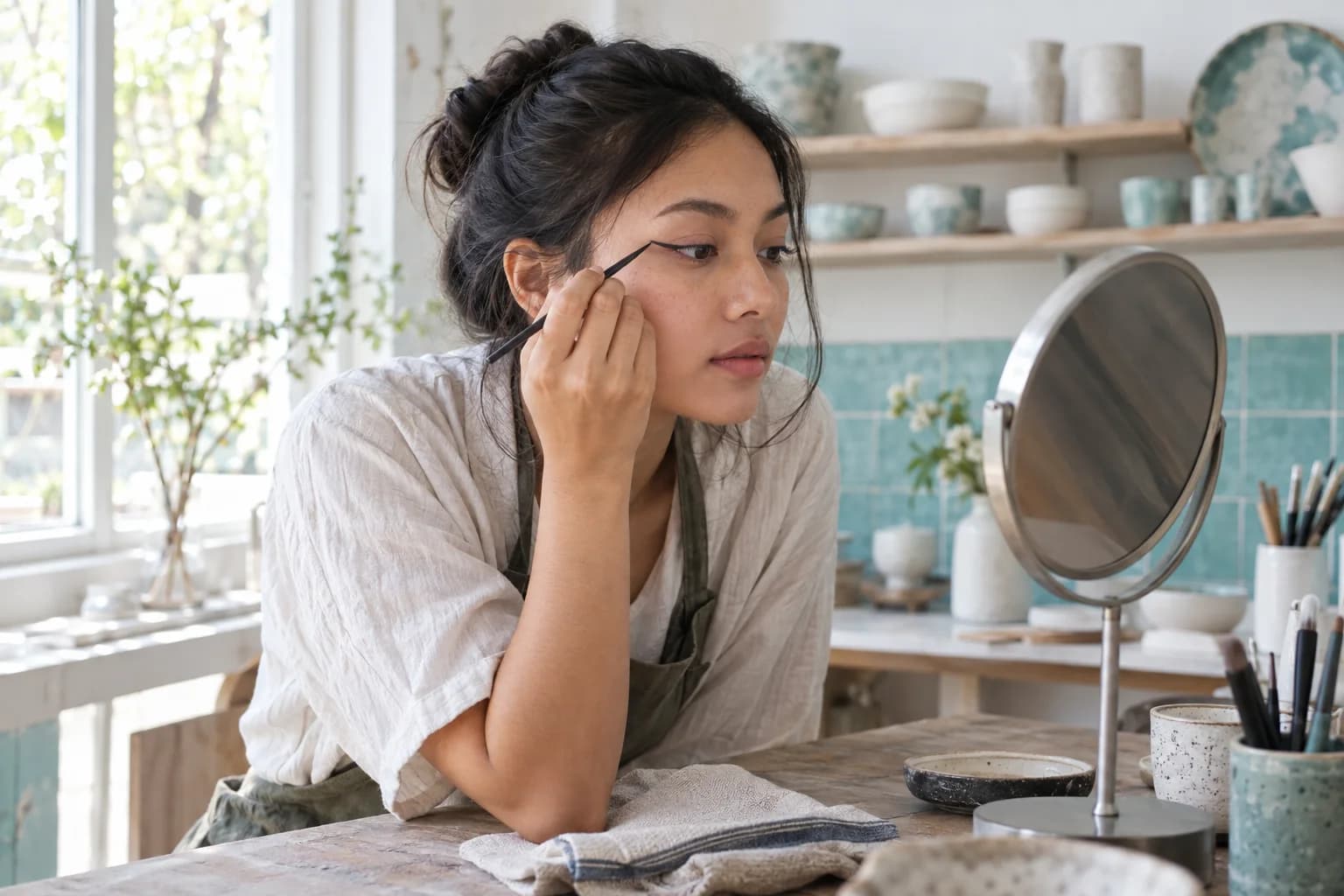
Map the effect with relaxed eyes, build both wings in small passes and correct the weaker side without turning two fine flicks into heavy triangles.
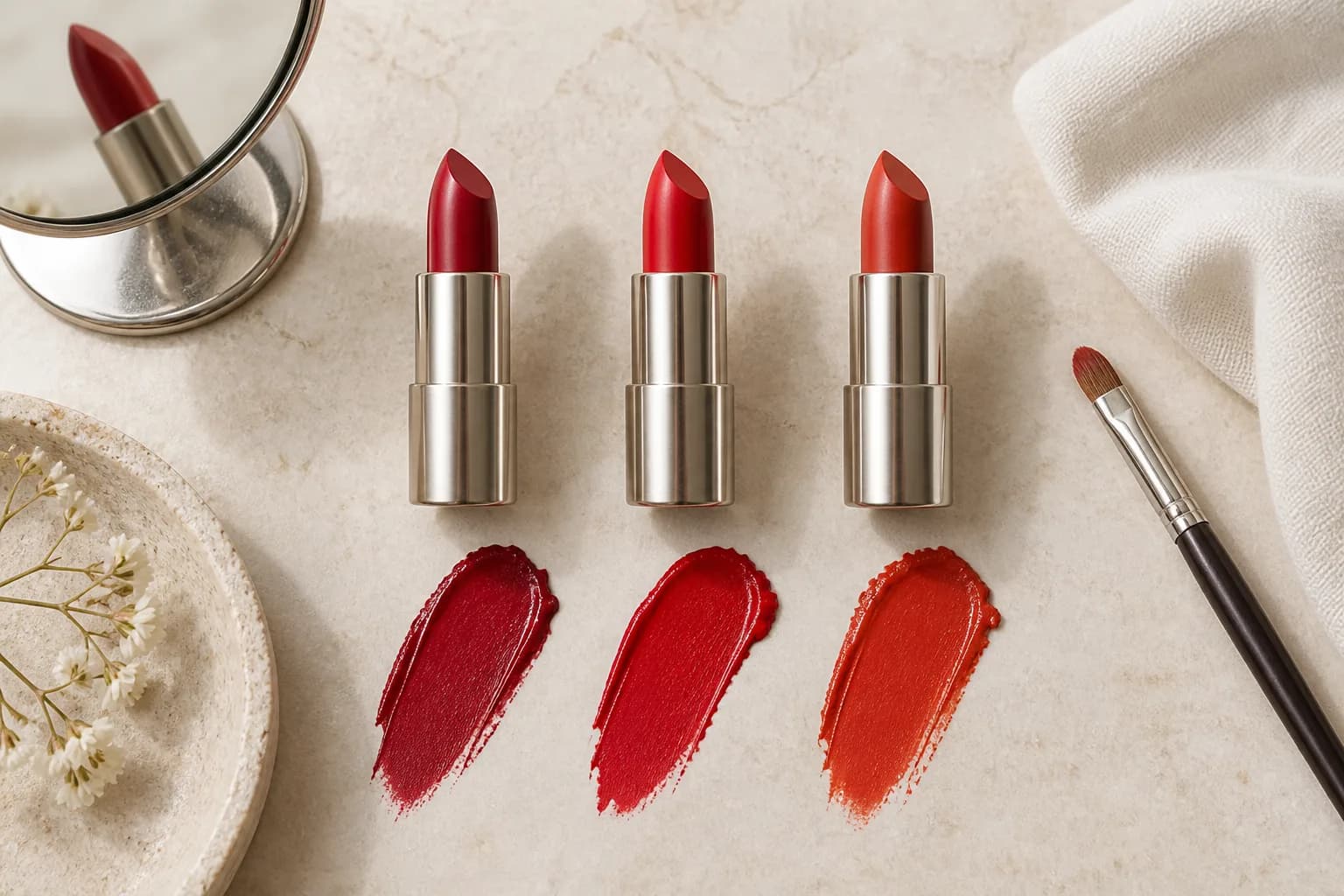
Compare three useful red families on one stable portrait, then verify the winner with real lipstick, real light and a realistic wear check.
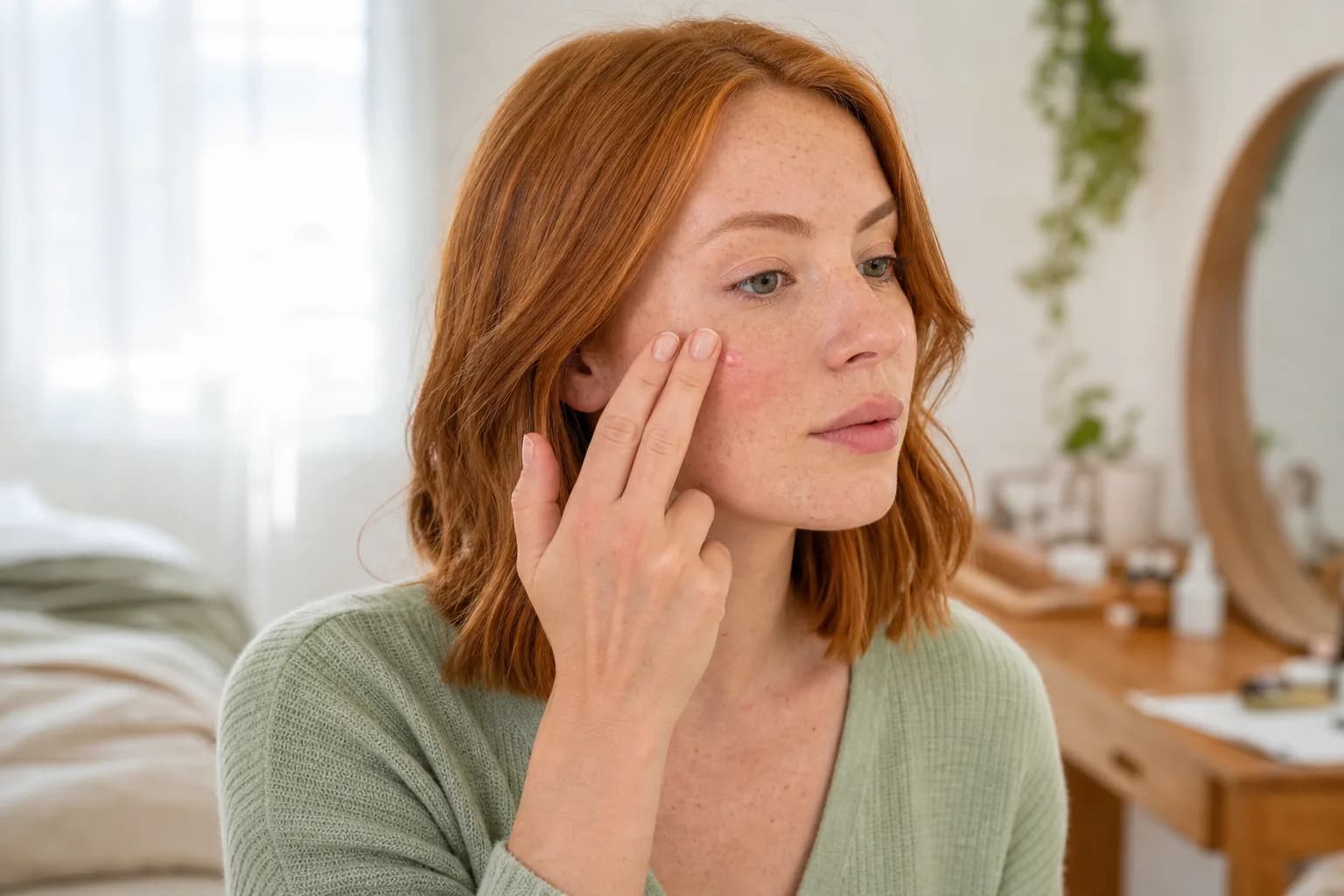
Diagnose the base, formula, tool and pressure behind uneven blush, then repair the finish without piling on more pigment.
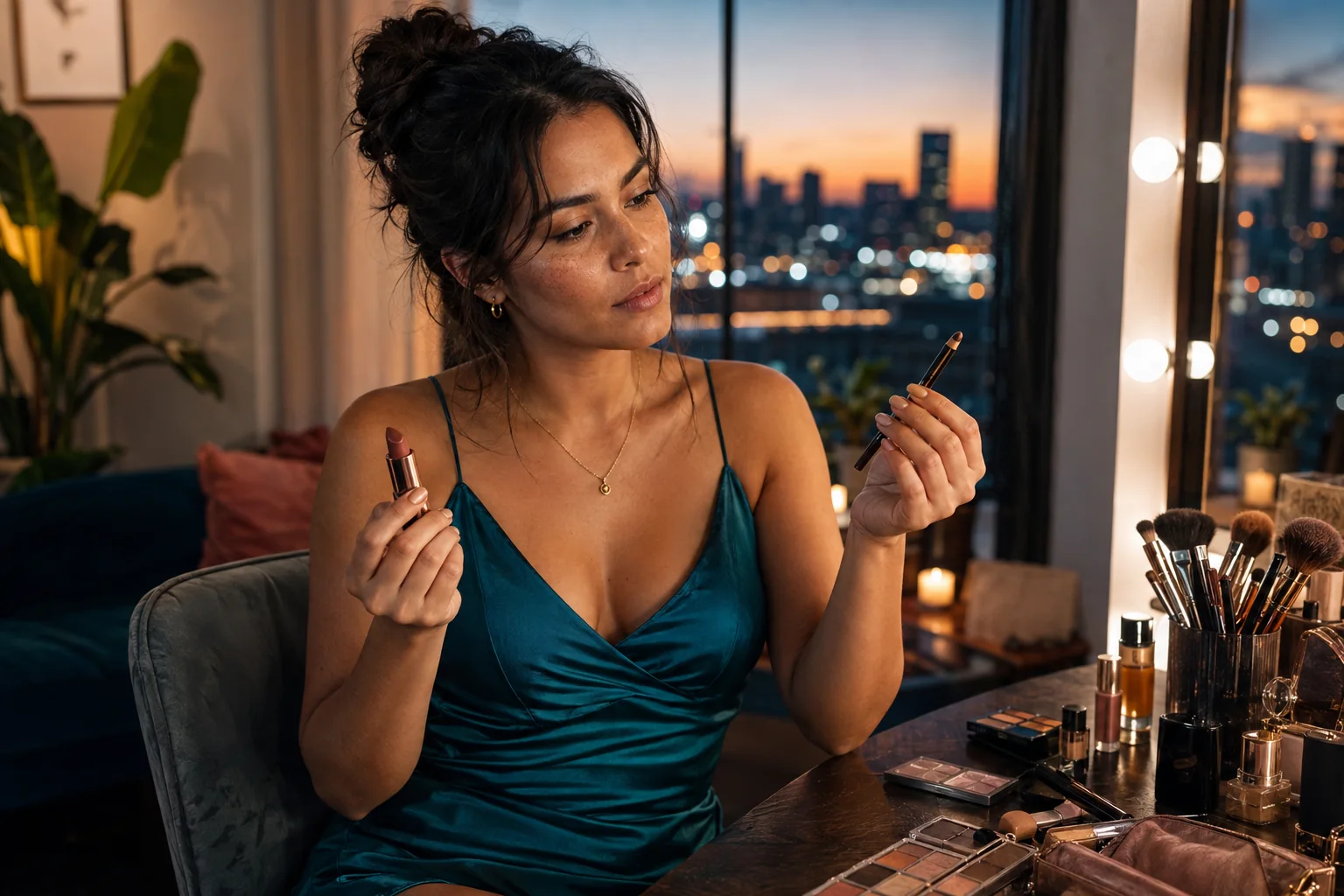
Compare an eye-led and a lip-led direction, then turn the stronger idea into a comfortable real-world routine.
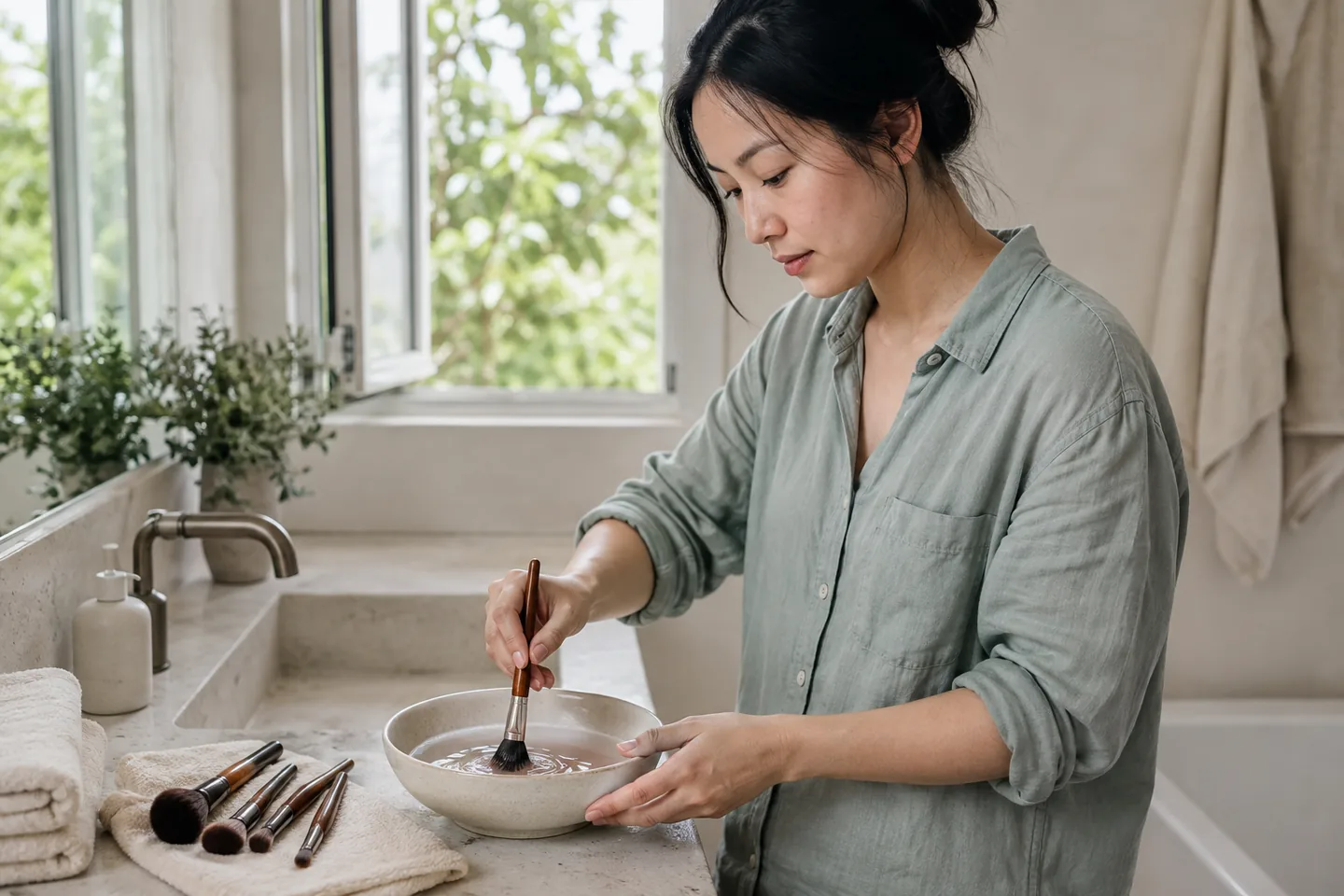
A practical wash, rinse, dry and storage routine that protects the bristles, ferrule and your next makeup application.
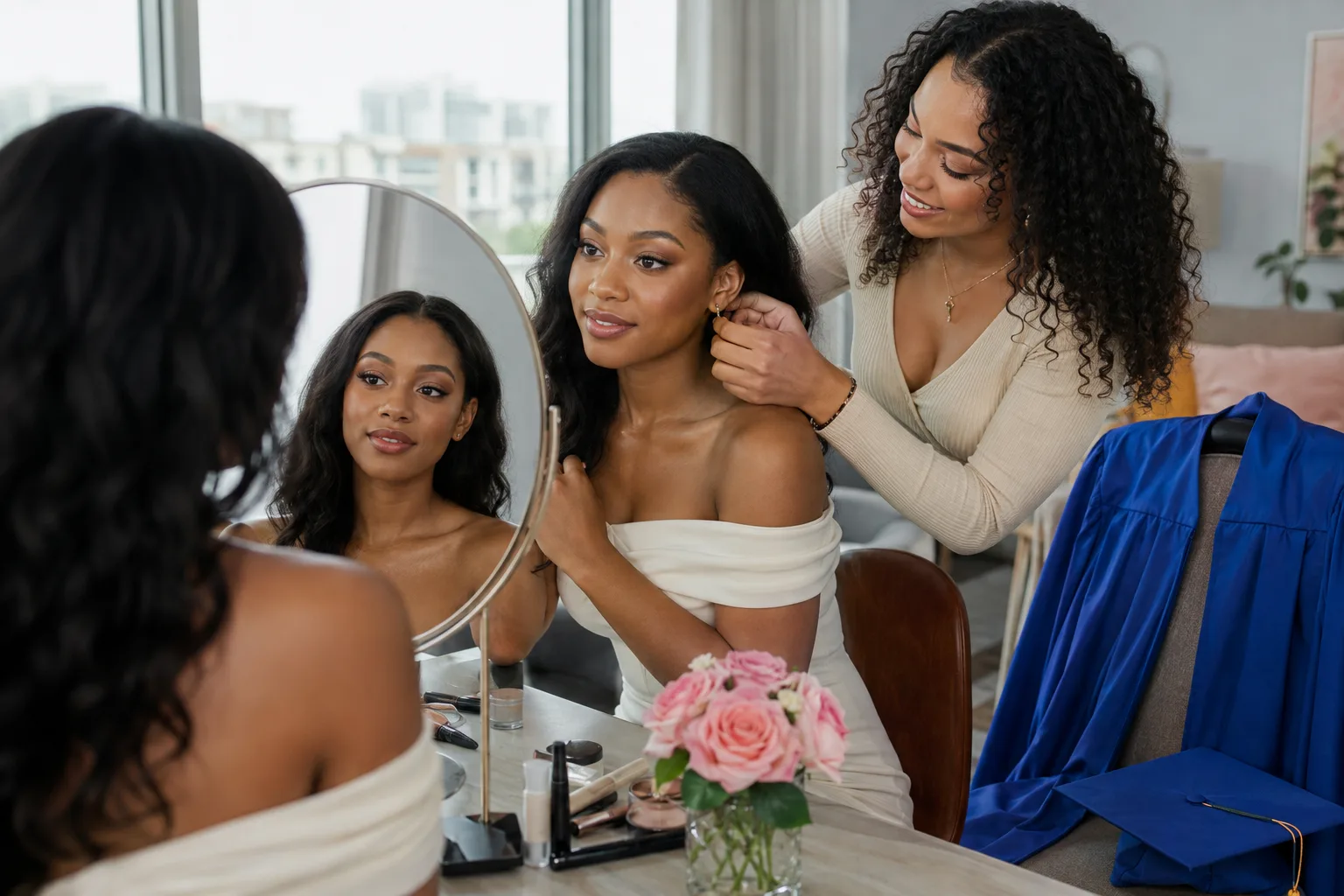
Choose a look that still feels like you through daylight, auditorium lighting, portraits, hugs and the celebration after.
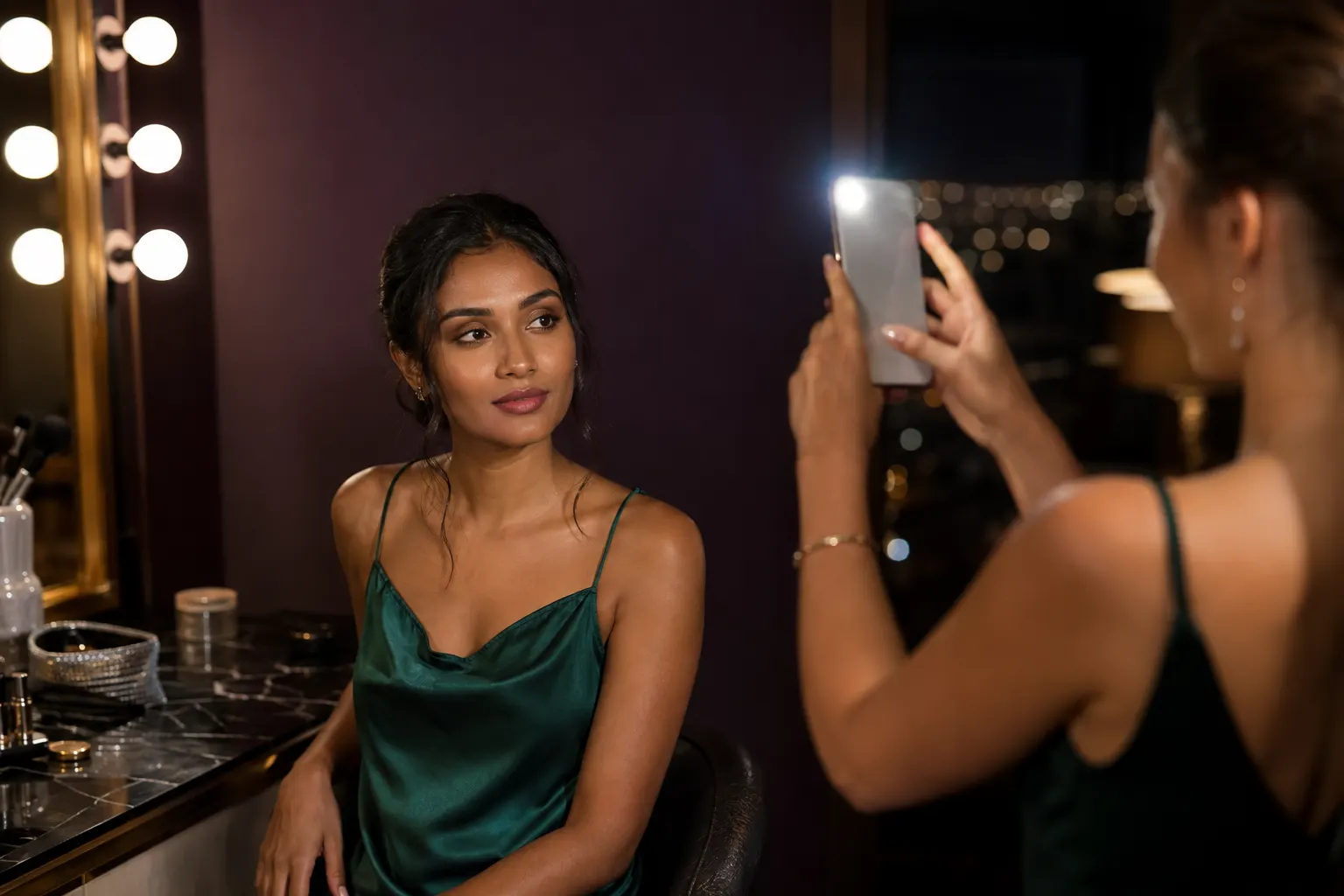
Find the powder, placement, light, or camera condition creating a pale cast before the important photos begin.
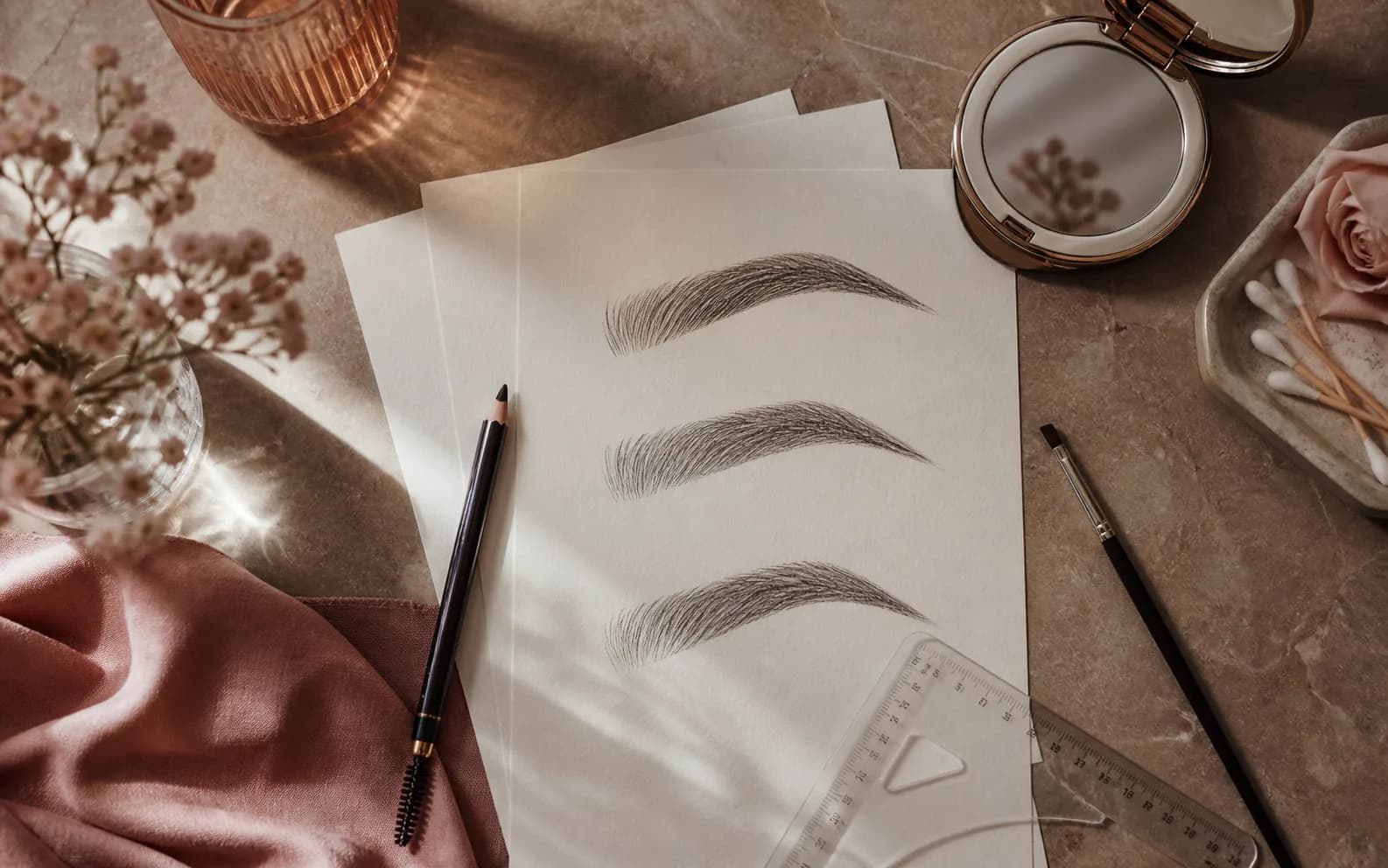
Map a soft starting point, compare one change at a time, and keep the brow that still looks like yours in real light.
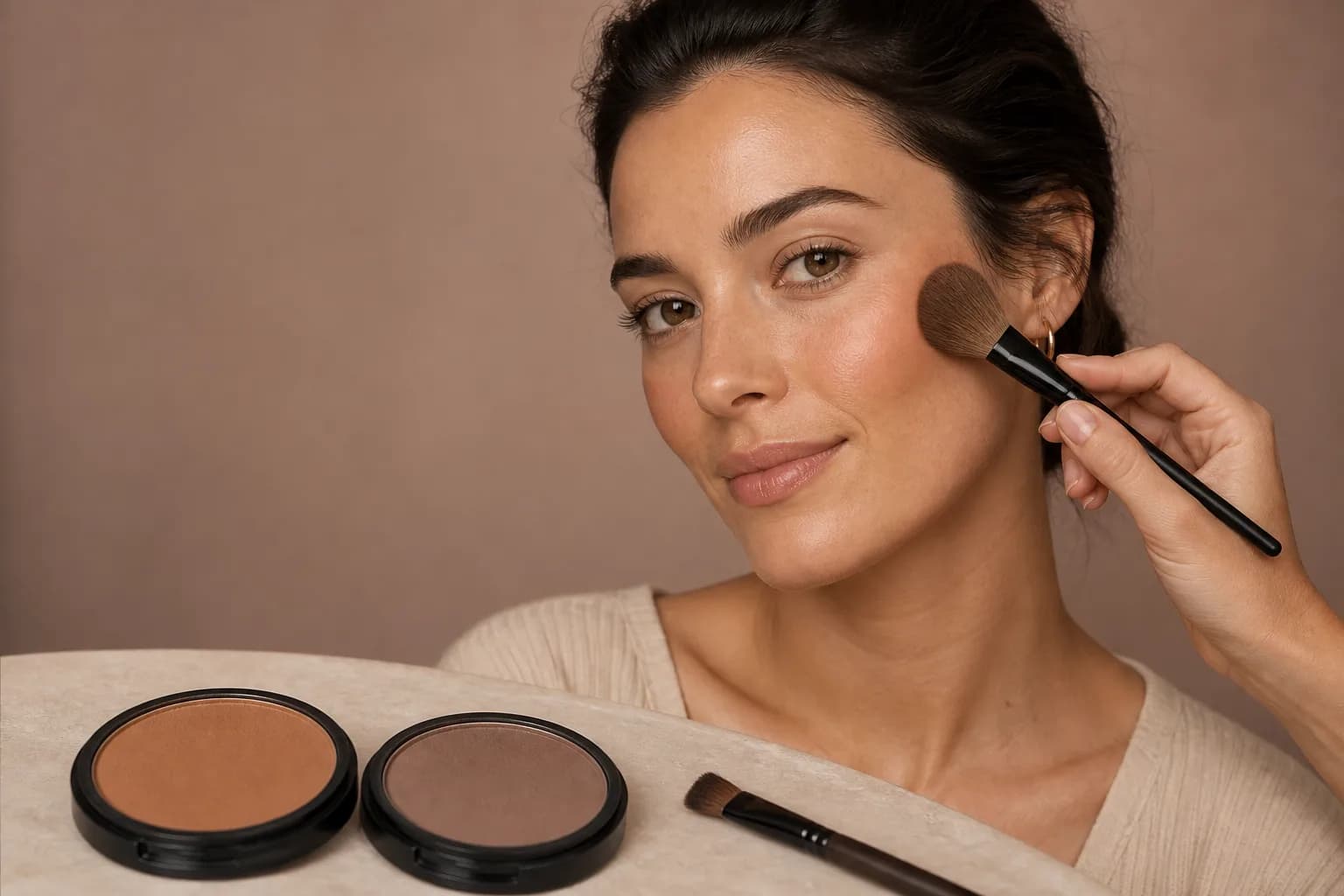
Separate warmth from sculpting, compare placement on one portrait, and turn the best direction into a light-handed routine.
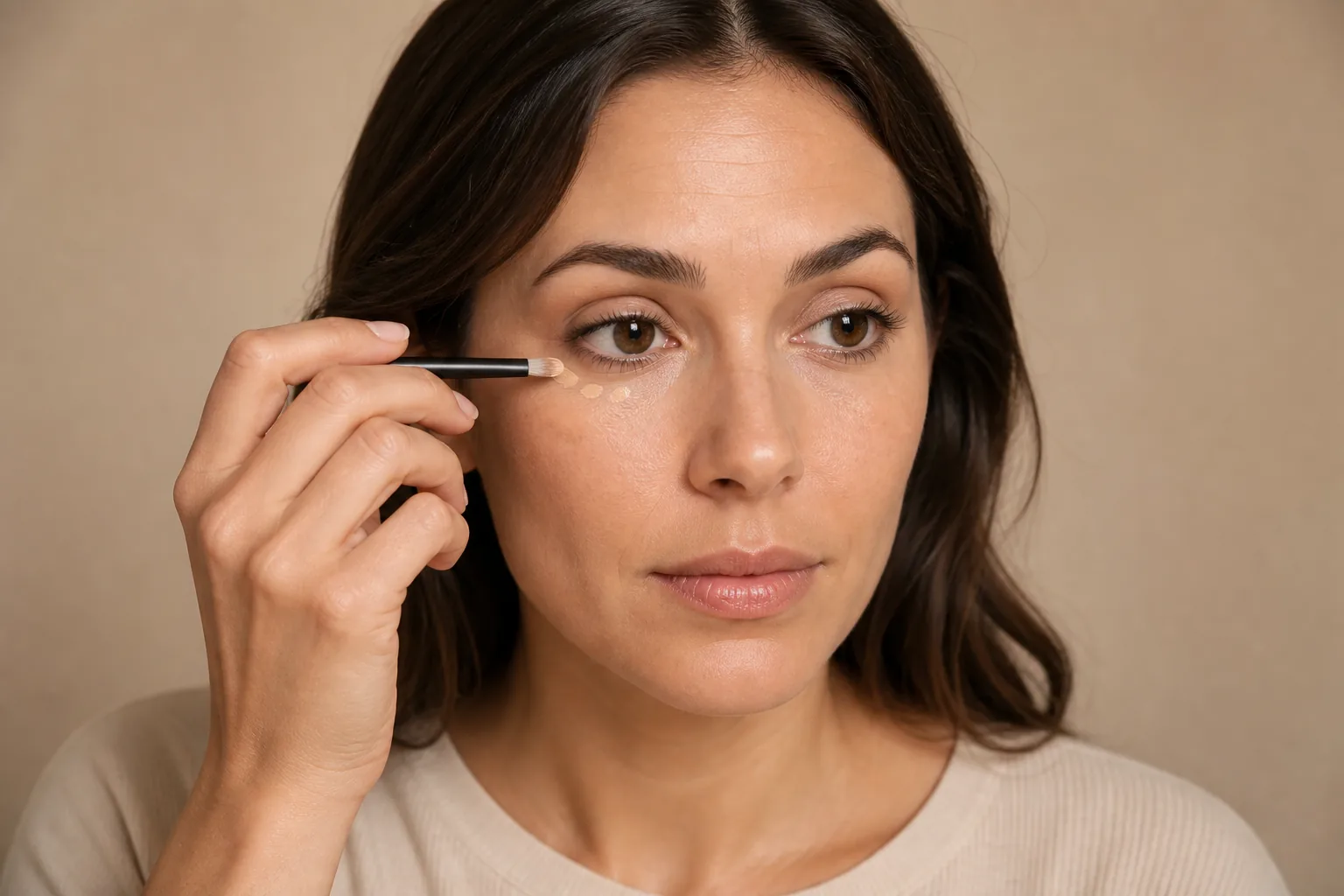
Reduce under-eye buildup by separating correction, coverage, placement, powder, and a real wear test.
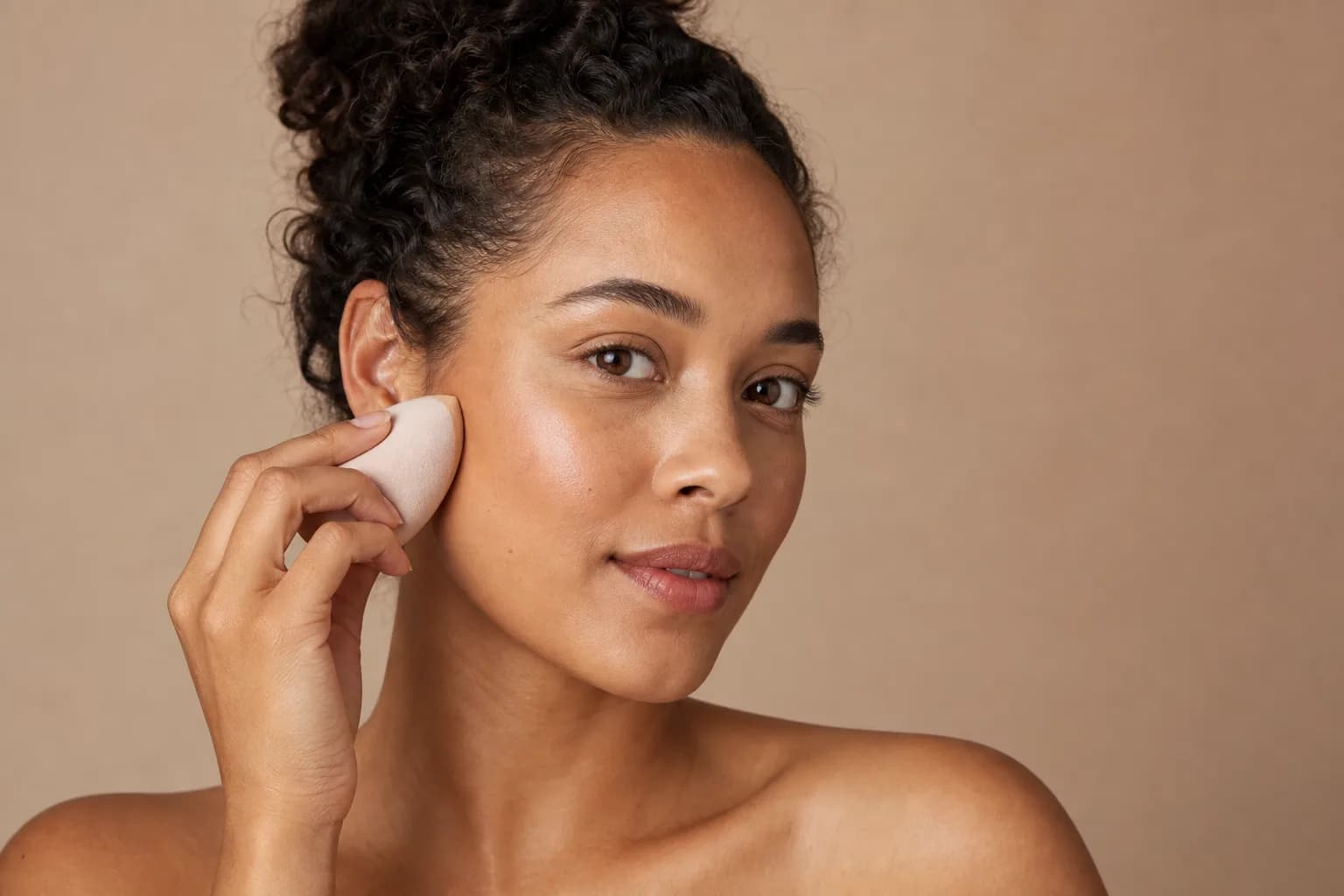
Diagnose dry patches, separation, excess coverage, and powder buildup, then rebuild a thinner base that still meets your needs.
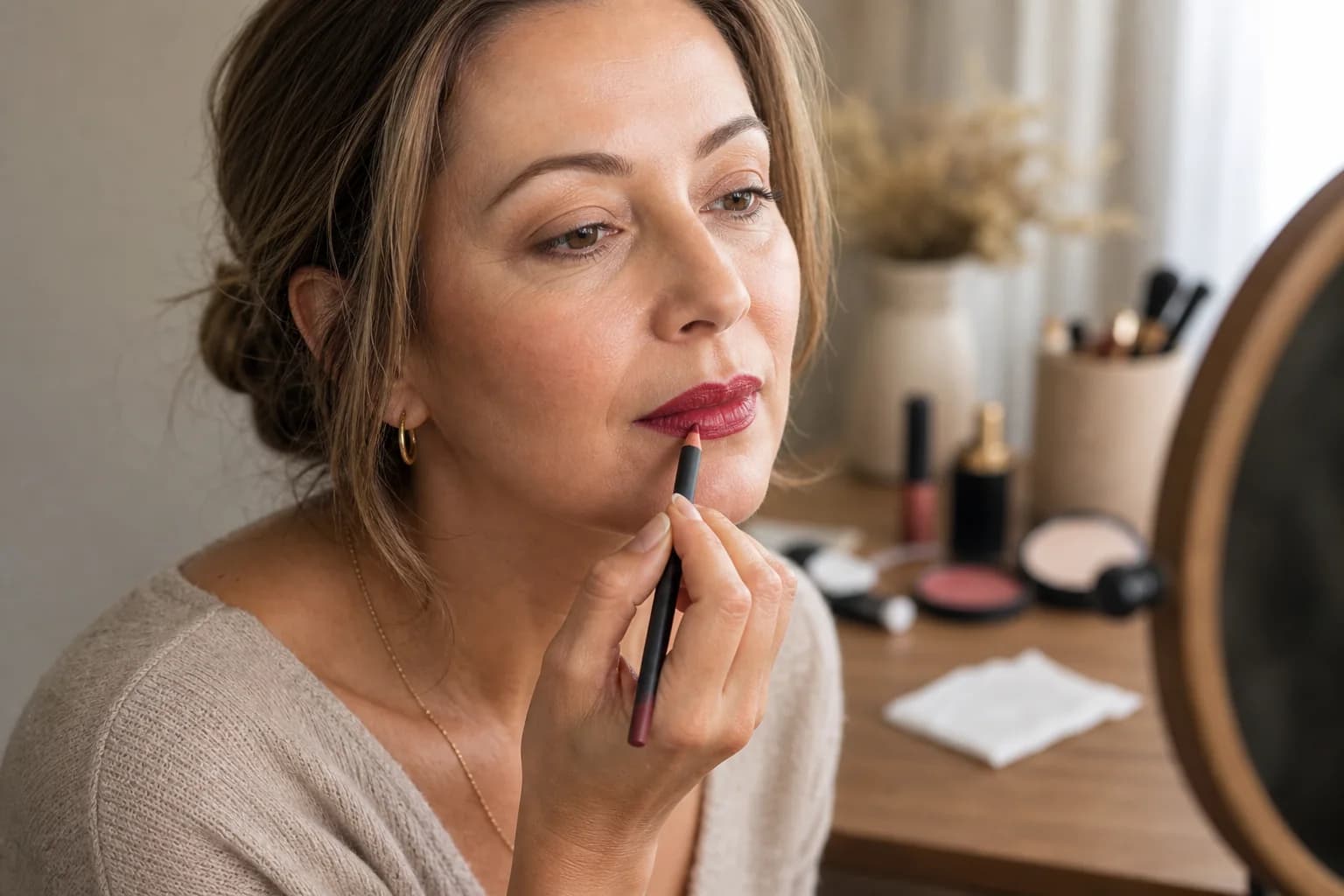
Control feathering by matching preparation, edge support, formula, layers, and a real wear test instead of relying on one universal trick.
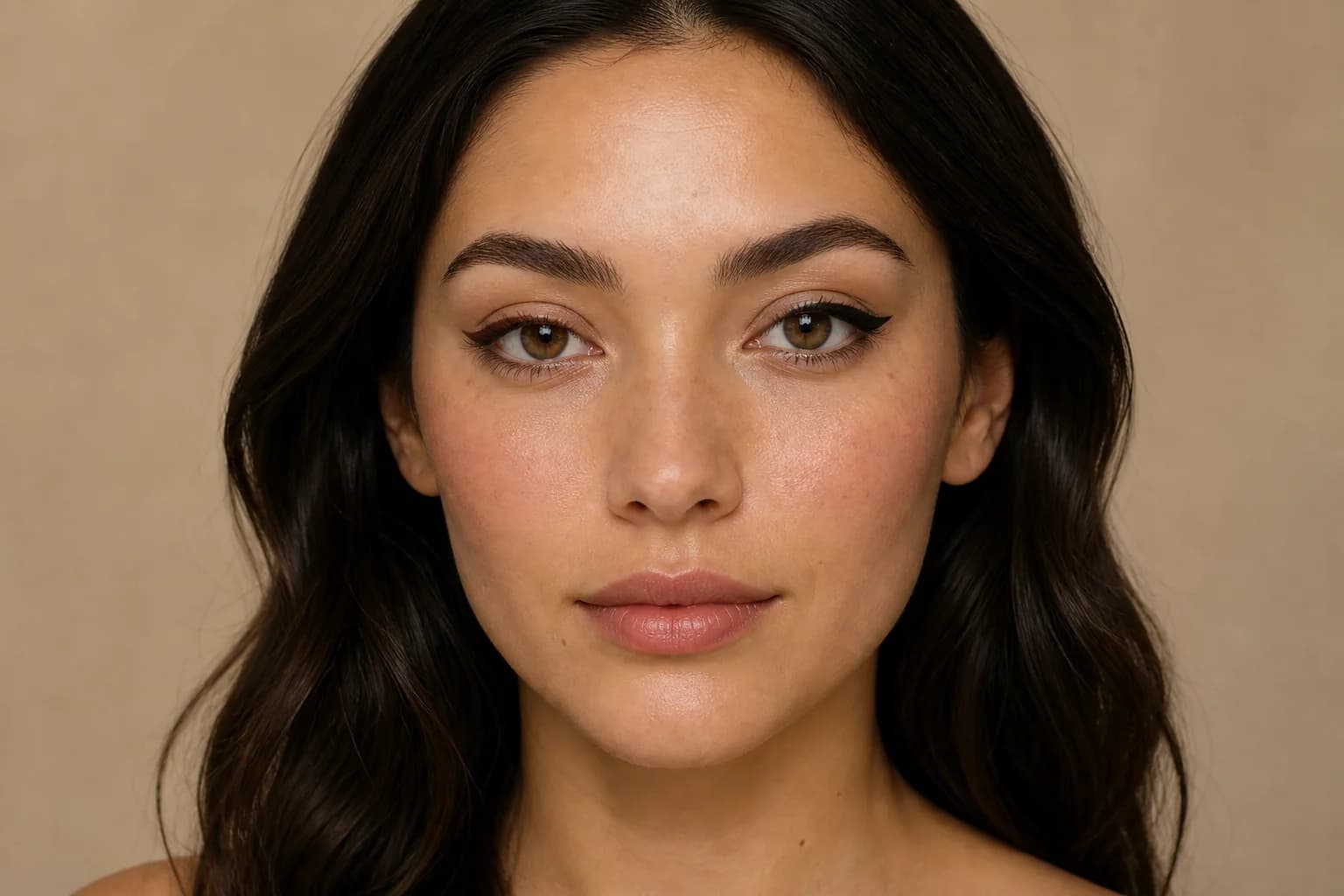
Compare brown vs black eyeliner through contrast, line weight, finish, context, and real-life testing—not universal rules about who can wear each color.
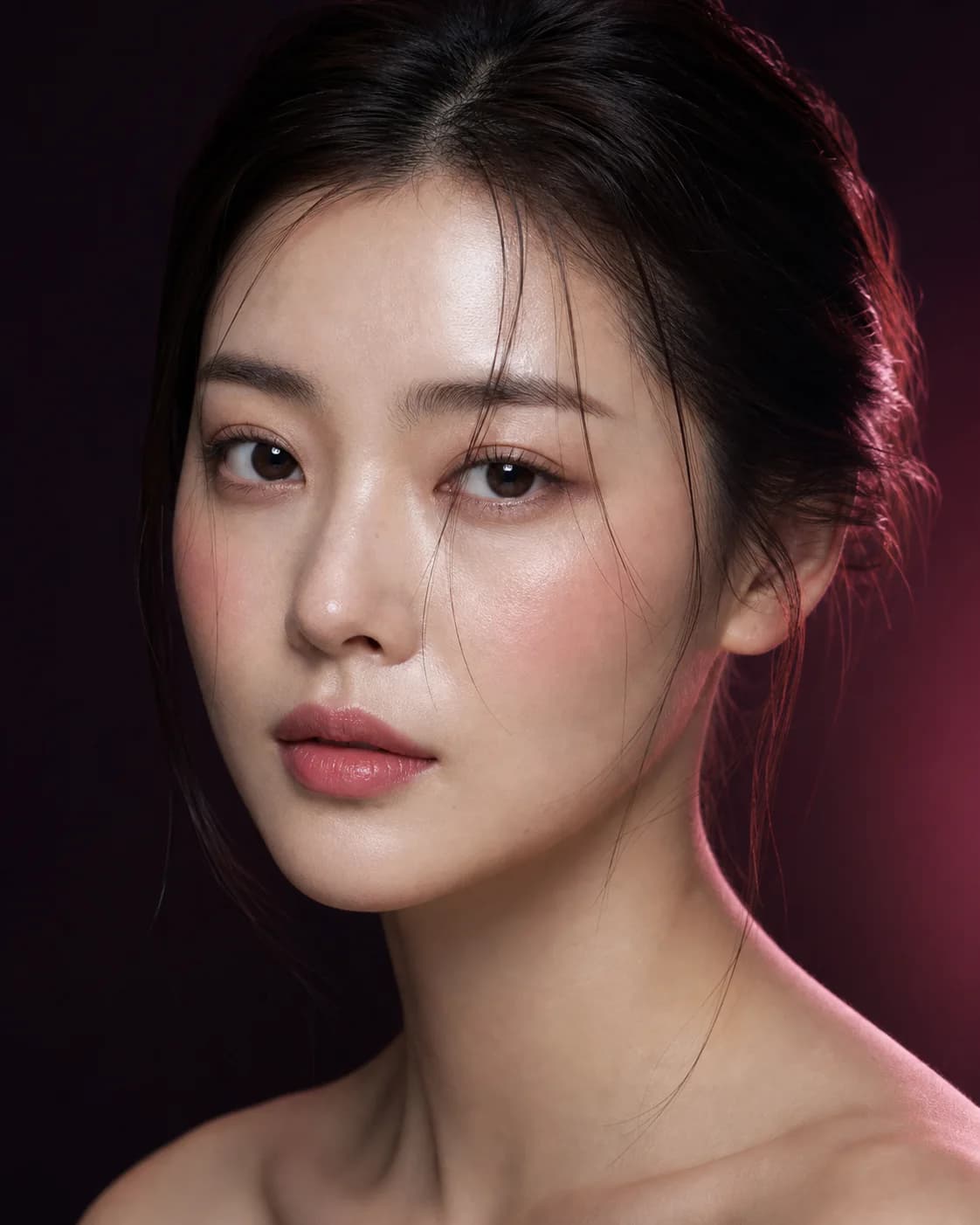
Build a believable no-makeup makeup look with selective coverage, quiet definition, skin-related color, and a finish that survives real light.
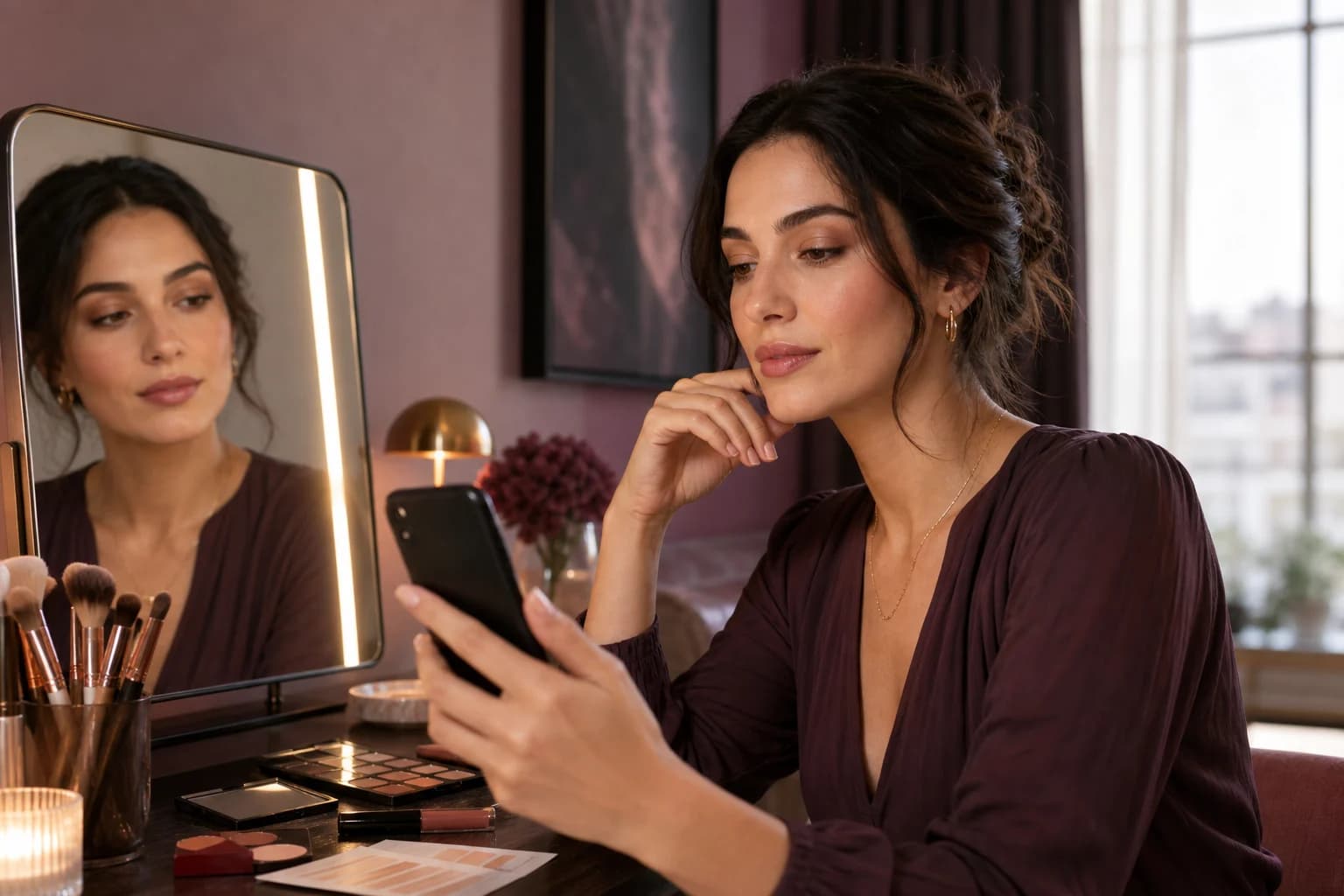
Plan a soft glam makeup look through skinlike coverage, blended definition, a controlled palette, and one clear focal point.
Build a cohesive cheek-and-lip palette by comparing undertone, depth, saturation, finish, and the feature you want to lead.
A simple checklist for clearer color, placement, and before-and-after comparisons.
Use undertone, contrast, lighting, and personal preference without turning color analysis into a rulebook.
Break the visual into base, sculpt, eyes, lips, and finish—then adapt the intensity to your tools and time.
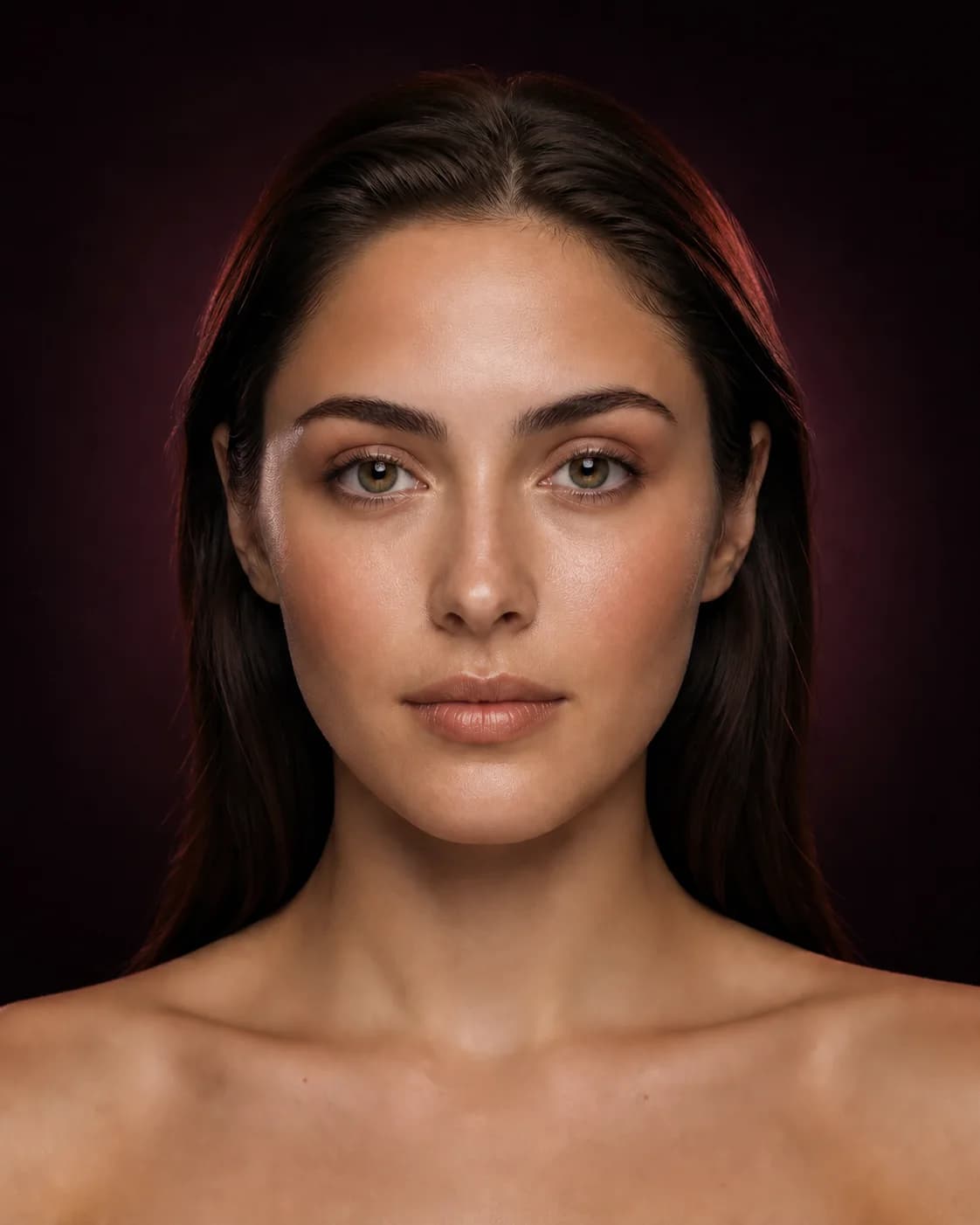
Understand what a generated beauty preview can clarify, what it cannot prove, and how to turn the image into a better decision.
Compare warmth, depth, saturation, edge, and finish without mistaking a screen preview for an exact product match.
Test central, lifted, sculpted, and sun-kissed placement while keeping color and intensity controlled.
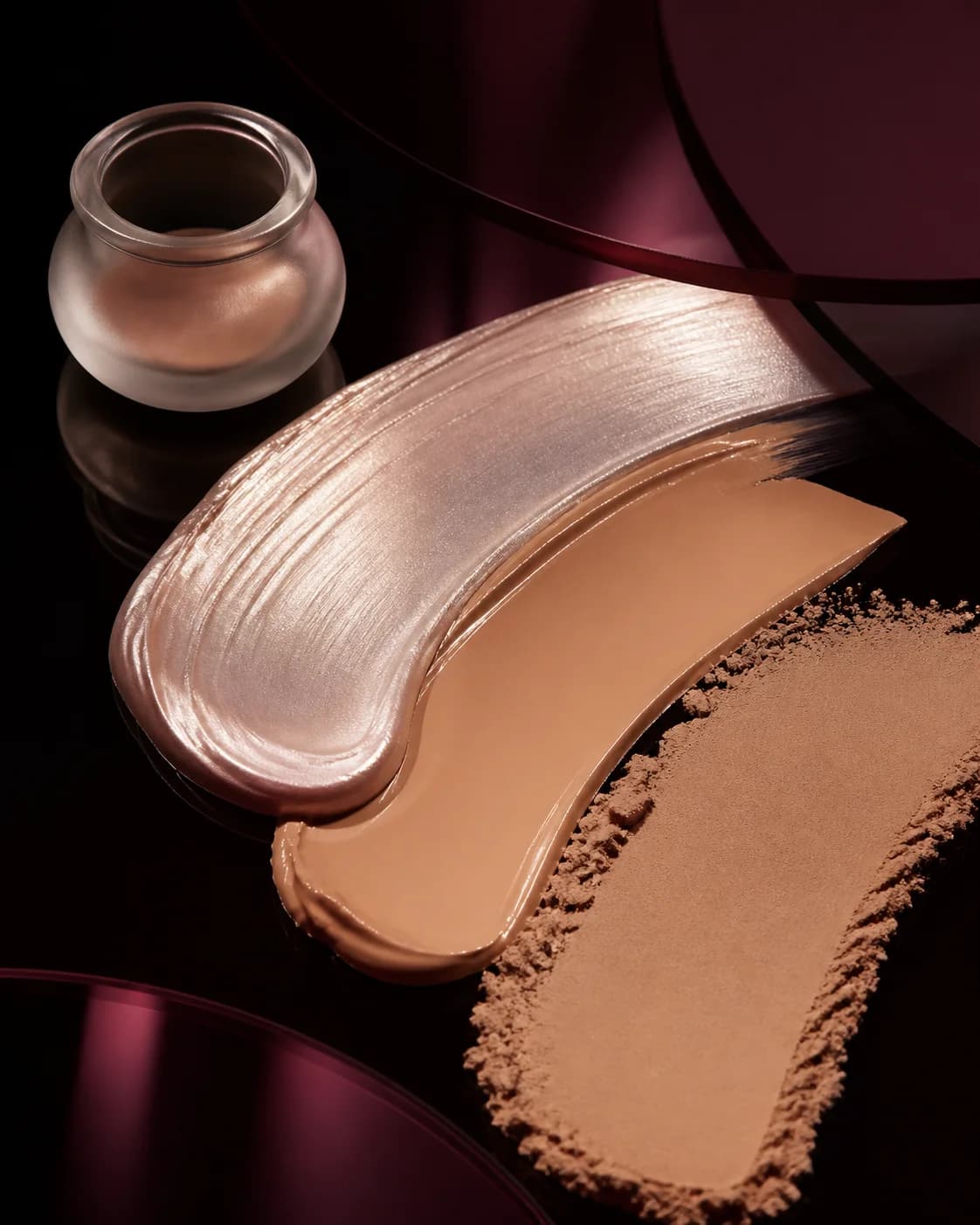
Separate finish from coverage, then test how light, texture, placement, and the rest of the look change the decision.
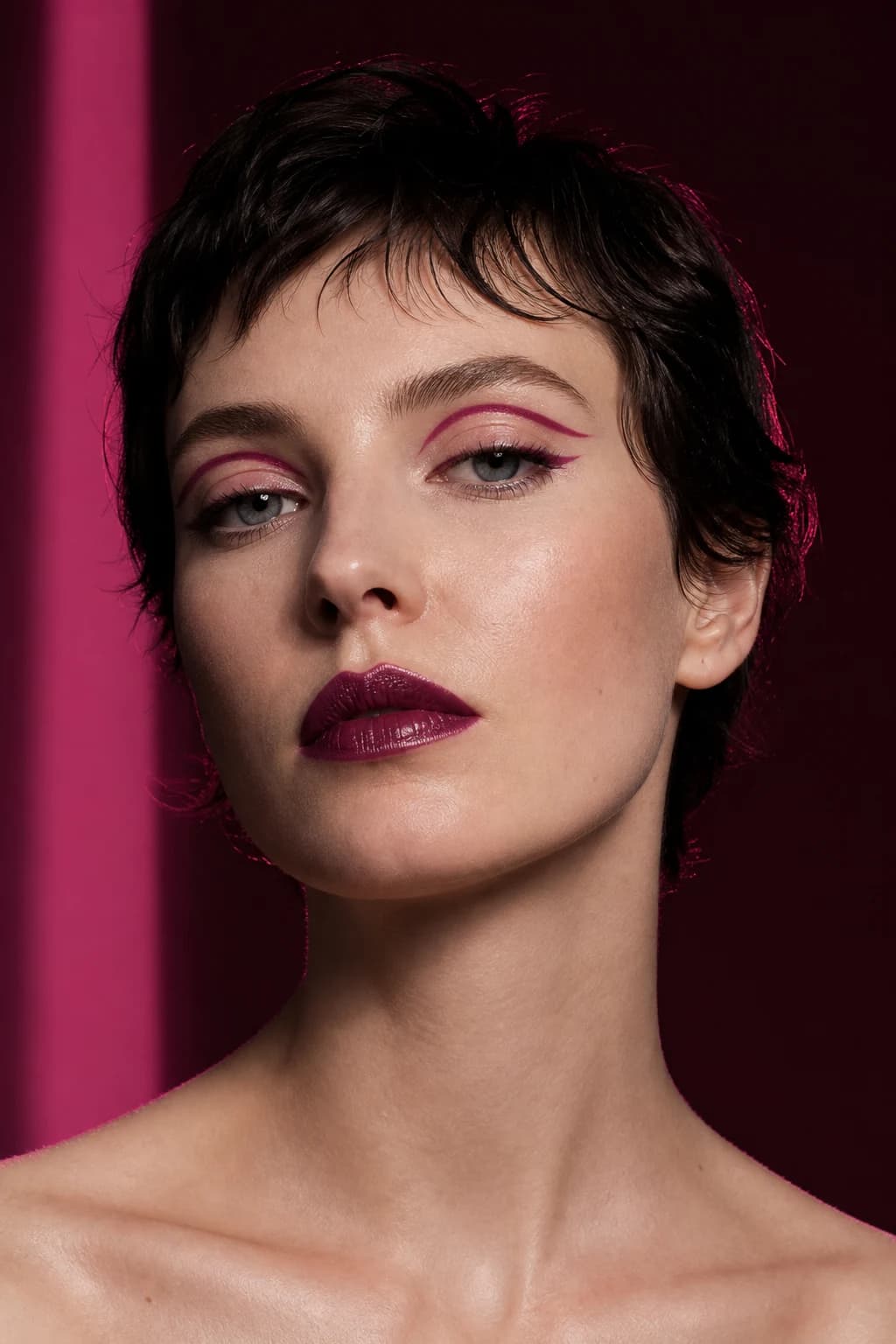
Choose a readable reference, identify the creative direction, review the transfer critically, and rebuild the useful parts.
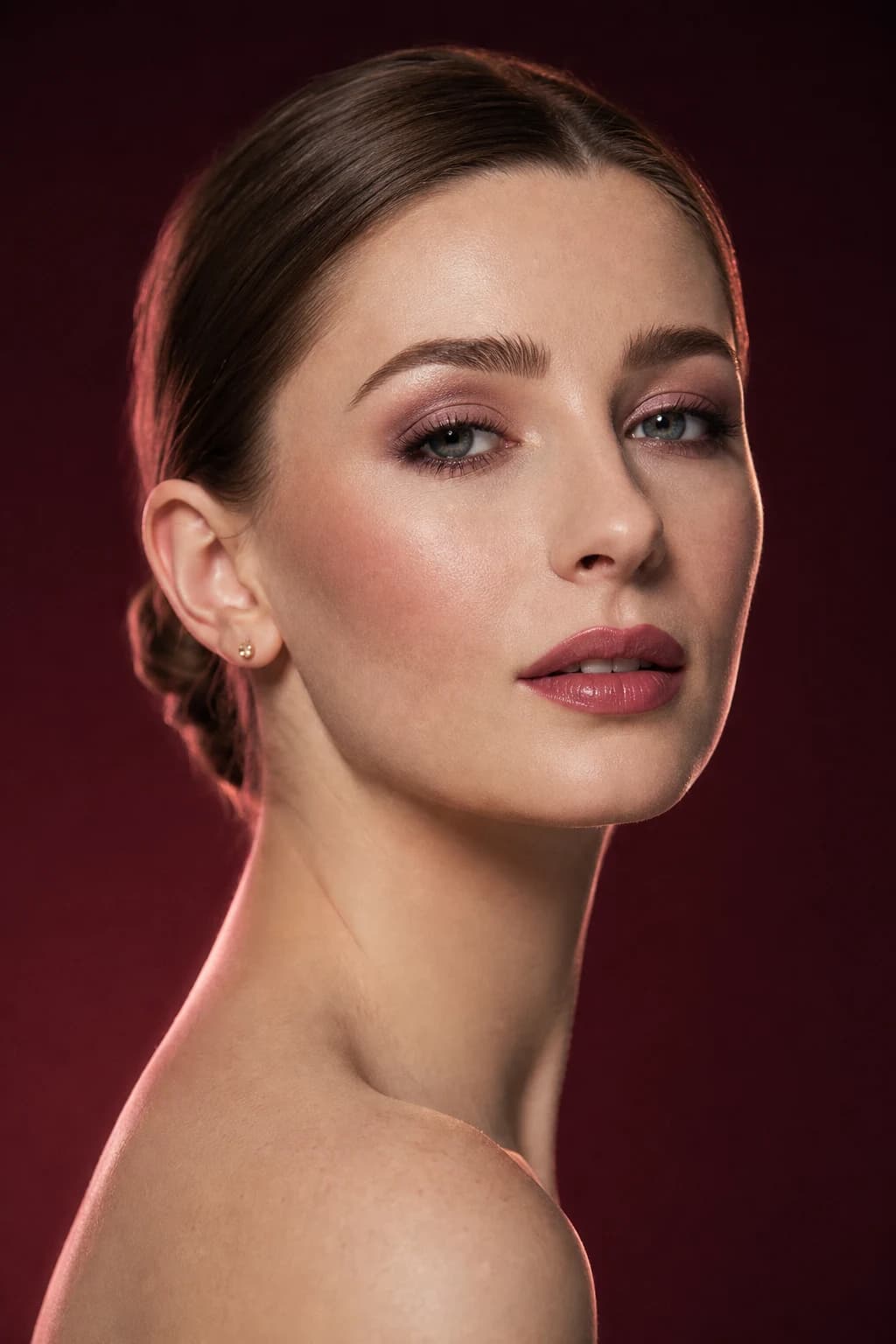
Keep one signature direction, then increase contrast, definition, and reflectivity without rebuilding the entire face.
Turn dress, venue, photography, comfort, and artist communication into a focused bridal makeup shortlist.
Use frame color, scale, lens effect, brows, eyes, cheeks, and lips as one composition instead of treating glasses as an obstacle.
Test lift, elongation, roundness, depth, liner, and edge softness by the effect you want—not a label you must obey.
Use AI for coverage and finish direction, then move the actual shade, undertone, oxidation, and wear decision onto real skin.
Learn how daylight, warm bulbs, cool LEDs, side light, flash, and screen settings can change a beauty decision.
Evaluate one look at real viewing distance, in natural light, and through a camera without assuming the photograph is the truth.
Find the repeated color, placement, finish, and mood across saved references, then remove the contradictions.
Compare contrast, warmth, depth, brows, cheeks, and lips around the new hair direction without rebuilding your identity around a palette rule.
Translate visible proportions and features into experiments while keeping identity, taste, expression, and creative freedom in control.
Reduce several beauty directions to a small set of products that can create an everyday face, an event variation, and useful touch-ups.
Convert a polished image into tested skin prep, layered placement, photography checks, and a realistic touch-up plan.
Explore with a clearer method
The MaqAI blog combines visual makeup planning with the real checks a preview cannot perform. Each guide helps you isolate a decision, compare useful alternatives, and turn a digital direction into a practical product or technique test.
Start with a sharp, front-facing, unfiltered portrait in even light. Keep pose, crop, expression, and lighting stable while comparing options so makeup remains the main variable.
A generated image can help you read color, placement, balance, and finish. It cannot prove exact shade match, texture, formula, comfort, oxidation, transfer, wear, or skin response.
Separate lip family, blush placement, eye shape, complexion finish, and intensity into smaller comparisons. Save only a short list and write down the feature that makes each option useful.
Include a familiar direction and a practical alternative. The strongest image is not always the look that fits your products, skill, time, lighting, or occasion.
Recreate the direction with products you can swatch and wear. Check natural light, ordinary indoor light, phone photos, movement, comfort, and the time the look needs to last.
MaqAI is a creative planning tool, not a medical, dermatological, biometric, or professional-service assessment. Stop using irritating products and ask a qualified professional when health or treatment is involved.
Your next look deserves more than a guess
Start with one clear portrait, test the change you are actually considering, and keep the result that gives you a real next step.
MaqAI is your website for makeup inspiration and guides. The makeup features are available in the Hair Muse app.