Routine guide

How to build one makeup look from day to evening

Keep one signature direction, then increase contrast, definition, and reflectivity without rebuilding the entire face.
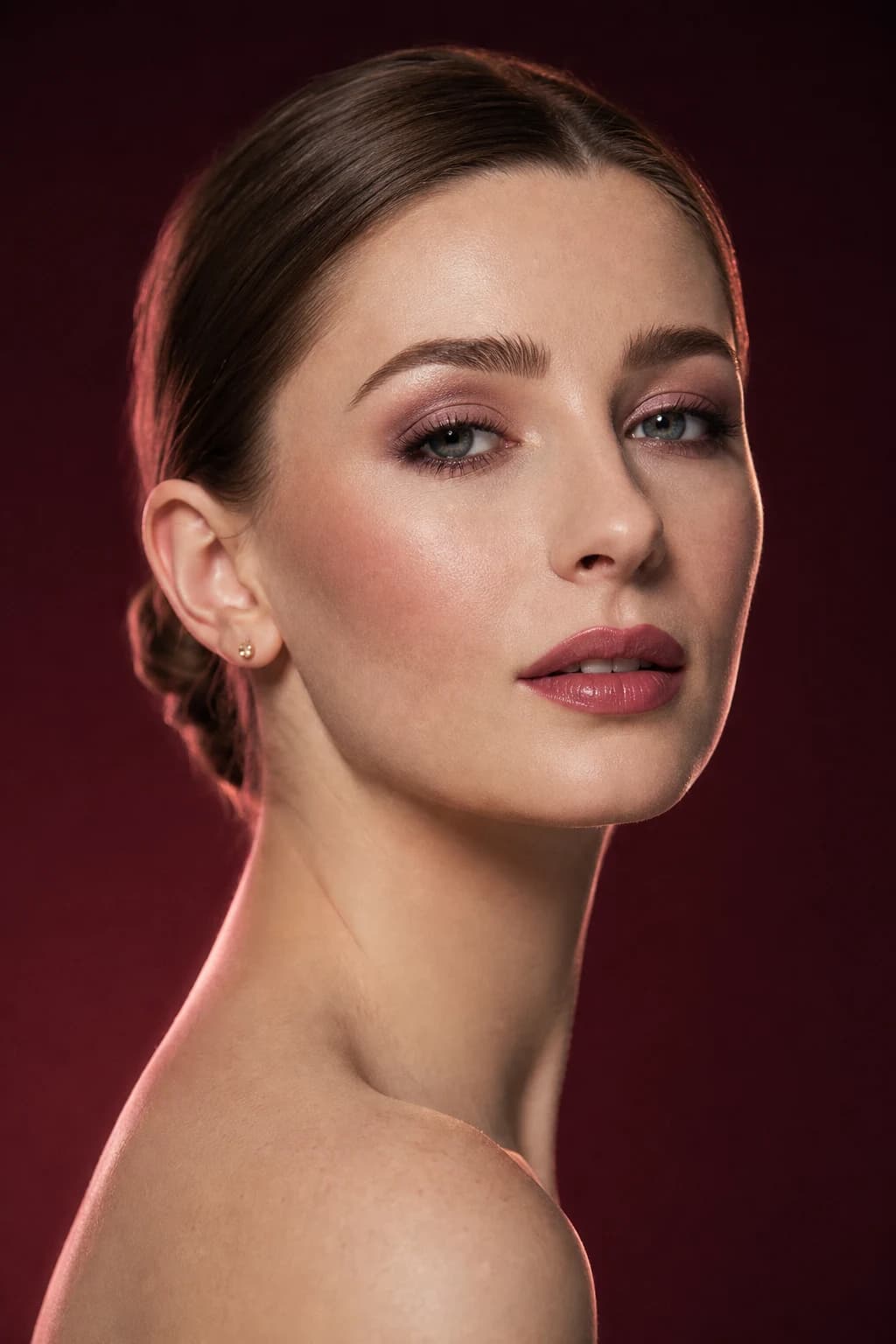
Soft glam makeup look suitable for an evening variation

Quick read

Know what you are testing before you start.

This routine guide focuses on one practical question: Keep one signature direction, then increase contrast, definition, and reflectivity without rebuilding the entire face. Use the summary to decide whether that is the uncertainty blocking your next makeup decision.

The decision

Define the uncertainty.

Keep one signature direction, then increase contrast, definition, and reflectivity without rebuilding the entire face. Start with “Choose a daytime base worth preserving.” Finish with “Review both lighting environments.”

The method

Run one controlled experiment.

Design the evening change as a short delta from the daytime face. Follow the four stages below in order: anchor, delta, transition, photograph.

The reality check

Know when the answer is clear.

The evening version reads clearly without looking rebuilt. The anchor remains recognizable, the additional contrast survives lower light, and the transition fits the time, tools, and bag space actually available.

A day-to-evening look is easier to repeat when both versions share the same structure. Instead of replacing every product, preserve the color story and focal point while increasing only the contrast needed for different light and context.

Use MaqAI to preview the two endpoints, then write down the few changes that connect them.

Choose one anchor for both versions

Decide whether the look is carried by luminous skin, a lifted eye, sculpted cheeks, a blurred lip, or a precise statement lip. Keep that feature recognizable from the first version to the second.

If every category becomes stronger at once, the evening result may feel unrelated rather than evolved. Let supporting elements gain just enough definition to stay balanced around the anchor.

Create the practical daytime baseline

Build the version you could apply with your normal morning time, tools, and lighting. Use the coverage, edge softness, and intensity you would genuinely wear.

Save the baseline before adding anything. It becomes both a reference and a recovery point if the evening version starts to lose the original idea.

  • Skin: comfortable, controlled finish
  • Cheeks: readable color with soft edges
  • Eyes: shape before depth
  • Lips: a repeatable shade and finish

Increase one kind of contrast at a time

For the evening version, deepen the outer eye, strengthen liner, build lip saturation, add cheek structure, or increase strategic reflectivity. Preview each change separately before combining them.

The most effective change depends on the venue and light. A dark room may need stronger value contrast, while direct photography may reward cleaner placement rather than more shine.

Plan the transition, not only the final image

List what must fit in the touch-up bag and what can be layered over the existing routine. A pencil, compact powder, one deeper lip, and a small reflective accent may be enough.

Avoid transition steps that require removing large areas of makeup unless you will realistically have the time, mirror, and tools to do that well.

Check both versions beside each other

Compare the saved day and evening previews on the same portrait. Confirm that the color family, focal point, and overall character remain connected.

If the second look appears like a completely different concept, remove the least necessary change. Evolution is easier to wear and explain than transformation for its own sake.

A useful evening update makes the original direction clearer—not merely heavier.

Test the real sequence before the occasion

Apply the daytime look, wear it for several hours, and practice the transition on top of the existing products. Texture, oil, fading, and powder can change how new layers behave.

Photograph both stages in relevant light and note the time required. Adjust the plan based on the real test rather than expecting the preview to predict wear.

Run the experiment

Design the evening change as a short delta from the daytime face.

A practical day-to-evening look preserves most of the morning work. The useful question is not how to create two separate faces, but which few changes add enough definition for the later light and occasion.

01 · Anchor

Choose a daytime base worth preserving.

Keep skin preparation, complexion, brows, and a comfortable lip or eye structure stable. Photograph the daytime face in the light where it needs to work.

02 · Delta

Add no more than three evening changes.

Examples include deeper outer-eye definition, refreshed cheek structure, and a richer lip—or stronger liner, selective glow, and a cleaner nude lip. Give each addition a reason.

03 · Transition

Practice the change with the products you can carry.

Time the update without removing the entire base. Check whether powder, concealer, liner, or lip layers cleanly over makeup that has already been worn.

04 · Photograph

Review both lighting environments.

Compare the daylight version, venue light, and a normal phone photo. Increase only the feature that disappears; do not automatically intensify every category.

Success signal

The evening version reads clearly without looking rebuilt.

The anchor remains recognizable, the additional contrast survives lower light, and the transition fits the time, tools, and bag space actually available.

Refine when

Simplify when touch-ups disturb the base.

Replace products that require full removal or precise tools. A successful transition uses compatible textures and concentrates effort where the visual return is greatest.

Write the daytime steps once, then list only the evening delta in order. Add the products and tools that travel, the minutes required, and one fallback if the base has creased, faded, or become shiny before the transition begins.

Good to know

Questions about this guide

Straight answers about the app, AI previews, privacy, and what to expect.

What is the easiest feature to intensify?

Eyes or lips often create the clearest shift with the fewest steps, but the best choice is the anchor you already established in the daytime look.

Should I add more foundation for evening?

Not automatically. Touch up only where coverage or finish needs it. Extra layers over worn base can create texture or separation.

Can Makeup Builder save both versions?

You can build and name related directions so the shared structure and intentional differences remain easy to compare.

Put the guide into practice

Test one clear change on your own portrait.

Use Transfer & Makeup Builder to compare the direction from this guide, save the result that works, and carry it into a real product or technique test.

Coming soon to theApp Store★★★★★Free download