Planning guide

How to turn a makeup inspiration board into one clear brief

Find the repeated color, placement, finish, and mood across saved references, then remove the contradictions.
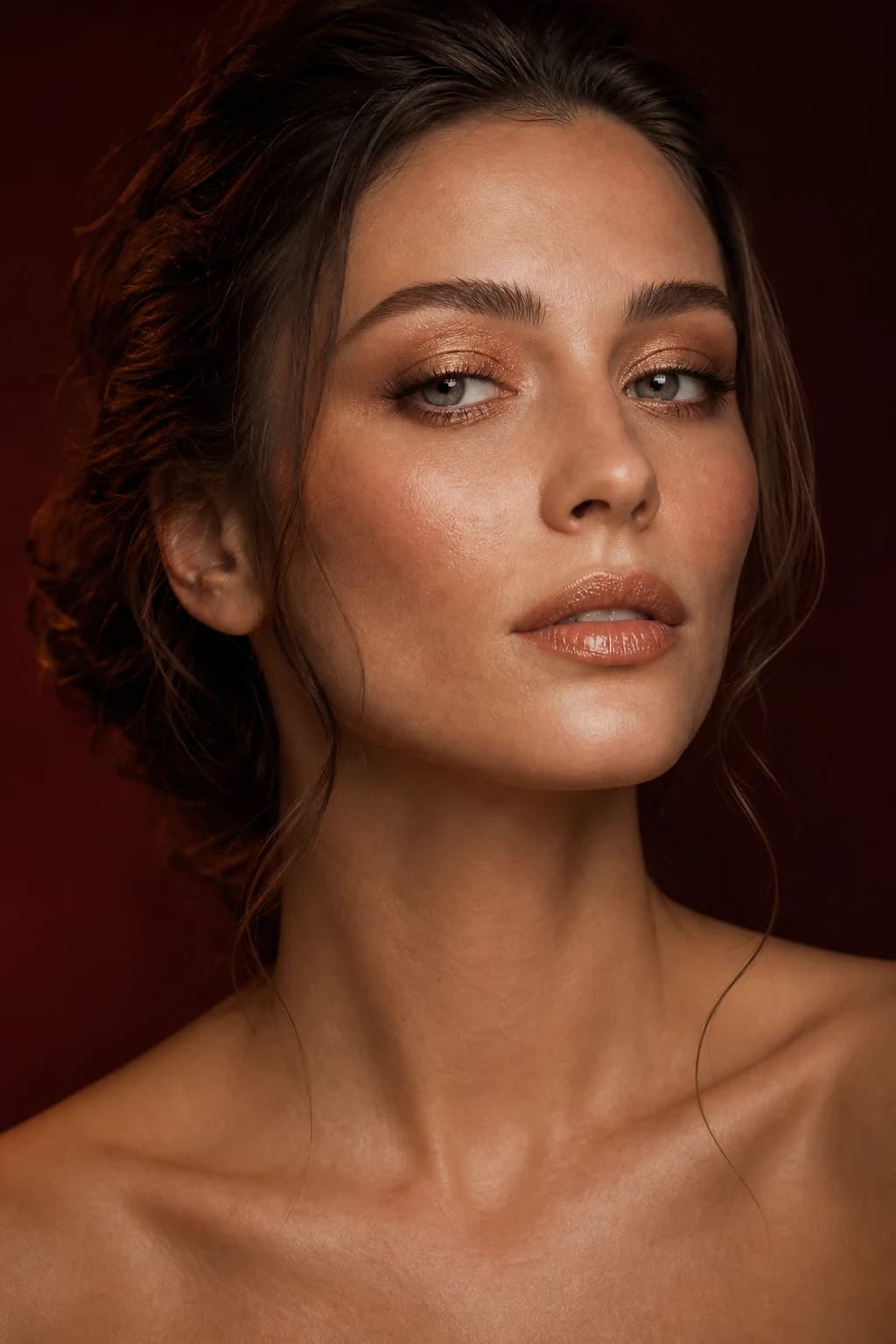
Bronze makeup direction selected from a beauty inspiration collection

Quick read

Know what you are testing before you start.

This planning guide focuses on one practical question: Find the repeated color, placement, finish, and mood across saved references, then remove the contradictions. Use the summary to decide whether that is the uncertainty blocking your next makeup decision.

The decision

Define the uncertainty.

Find the repeated color, placement, finish, and mood across saved references, then remove the contradictions. Start with “Start with five to eight genuinely relevant images.” Finish with “Write preserve, adapt, and avoid statements.”

The method

Run one controlled experiment.

Reduce a mood board to one hero reference and one detail reference. Follow the four stages below in order: collect, tag, edit, brief.

The reality check

Know when the answer is clear.

Another person can explain the direction without guessing. The brief identifies the visual priorities and limits clearly enough for Look Transfer, Makeup Builder, your own routine, or a makeup artist conversation.

A saved board often contains several different ideas disguised by similar photography. One image may be about skin finish, another about liner, and another about the model's hair, light, or expression.

A useful brief extracts the repeated makeup decisions and states the boundaries. It can then guide Look Transfer, Makeup Builder, your own routine, or a professional conversation.

Label what you saved in each image

Write one sentence per reference: saved for satin skin, saved for lifted berry cheek, saved for compact smoky eye, or saved for blurred brown lip. If you cannot name the makeup reason, the image may be atmosphere rather than instruction.

Atmosphere can still matter, but label it separately so hair, styling, lens, and lighting do not silently become makeup requirements.

Find the repeated decisions

Look for patterns across color temperature, contrast, skin finish, cheek direction, eye shape, lip edge, and level of drama. Repetition suggests the real preference behind the board.

Choose one or two anchors. A brief with five competing focal points is not clearer than the original collection.

  • Palette: warm, cool, neutral, muted, or saturated
  • Structure: soft, lifted, rounded, elongated, or graphic
  • Surface: dewy, satin, soft matte, or mixed
  • Anchor: skin, cheek, eye, or lip

Identify contradictions on purpose

Maybe half the references use minimal skin and the other half use polished full coverage. Perhaps the eye is soft in one set and graphic in another. Decide whether these are alternatives to compare or accidental conflicts to remove.

Create separate briefs when the concepts serve different occasions. Do not force a clean daytime look and an editorial night look into one average result.

Add real constraints

Include time, products available, technique confidence, glasses, dress code, venue light, comfort, and the condition of the makeup after several hours. Constraints turn visual taste into a wearable plan.

State one non-negotiable and two flexible elements. This leaves room for adaptation without losing the purpose of the brief.

Choose one transfer reference and one support image

For Look Transfer, use the clearest face that best represents the complete direction. Keep a second image only if it explains a specific detail the first does not show well.

Use images you have the right and permission to submit. Product-only photos and swatches can support a written note but are weaker transfer sources than a clear face wearing the makeup.

A strong brief tells you what to preserve, what to adapt, and what to ignore.

Write the final six-line brief

Summarize mood, anchor, palette, placement, finish, and boundary. For example: polished soft glam; eyes lead; neutral bronze and rose; lifted but diffused cheek; satin skin; no dense lower liner.

Save the brief beside the chosen preview and update it after a real product or technique test. The best version reflects what actually worked, not only what looked good on the board.

Run the experiment

Reduce a mood board to one hero reference and one detail reference.

A large folder can hide conflicting decisions. The brief becomes useful when repeated ideas are named, constraints are visible, and every retained image explains something the others do not.

01 · Collect

Start with five to eight genuinely relevant images.

Remove references saved only for hair, clothing, lighting, or a model’s identity unless that context directly supports the makeup decision.

02 · Tag

Annotate anchor, palette, placement, edge, and finish.

Mark what repeats across the set and where images disagree. Separate makeup choices from photography, retouching, facial features, and product packaging.

03 · Edit

Choose one complete reference and one detail.

The hero should communicate the overall direction. The support image should clarify one missing point—such as lip edge, liner angle, complexion surface, or cheek placement.

04 · Brief

Write preserve, adapt, and avoid statements.

State the essential anchor, acceptable changes, and boundaries. Add occasion, time, skill, products, clothing, photography, comfort, and wear expectations.

Success signal

Another person can explain the direction without guessing.

The brief identifies the visual priorities and limits clearly enough for Look Transfer, Makeup Builder, your own routine, or a makeup artist conversation.

Refine when

Remove images that introduce a second aesthetic.

If one reference depends on glossy skin and vivid color while another requires powdery minimalism, decide whether they are alternatives or whether one does not belong.

Keep the final two images with a one-paragraph brief and a short product or technique question list. Preserve usage rights and permission for any image submitted to an AI feature, and use product-only photos as supporting context rather than transfer faces.

Good to know

Questions about this guide

Straight answers about the app, AI previews, privacy, and what to expect.

How many references belong in one brief?

Use as many as needed to discover the pattern, then reduce the working brief to one main reference and perhaps one supporting detail image.

What if the references contradict one another?

Decide whether they represent separate occasions or genuine alternatives. Create two briefs instead of averaging incompatible ideas.

Can I upload any image I saved online?

Only submit images you are entitled and permitted to use. Respect copyright, privacy, and the person shown in the reference.

Put the guide into practice

Test one clear change on your own portrait.

Use Transfer & Makeup Builder to compare the direction from this guide, save the result that works, and carry it into a real product or technique test.

Coming soon to theApp Store★★★★★Free download