
Makeup care
When to replace makeup: read the label, then the product
Use the opening date, package guidance and condition of each formula to make a calm keep-or-replace decision.
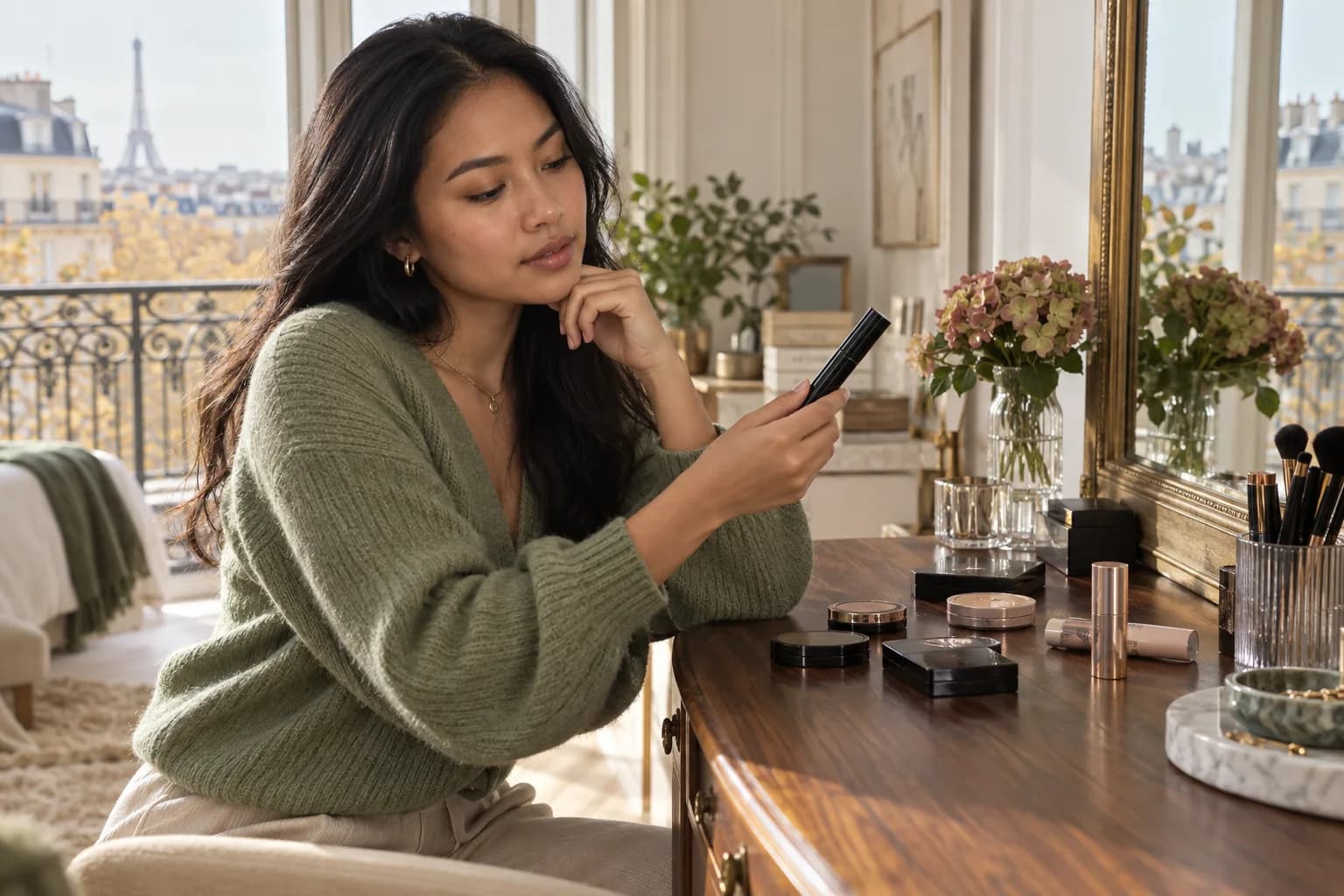
Knowing when to replace makeup is harder than finding a single number online. A dry mascara, a sealed powder, a foundation opened last winter and a lipstick carried in a hot bag have different histories. The printed date or open-jar symbol matters, but it cannot tell you whether you shared an applicator, left a bottle in a car or noticed a new smell. Equally, a product that still looks normal may be past the period its maker says it should be used after opening. The useful decision is product by product, not a sweeping clear-out of everything bought in the same year.
Set aside ten minutes, clean your hands and bring the products into good light. Find the package instructions, record when each item was opened, and inspect the formula without putting it on your face first. Give products used at the eyes a more cautious review. If a date is uncertain, treat uncertainty as part of the decision rather than inventing an opening day. This guide offers a repeatable sorting method; it cannot certify a product's microbiological safety from appearance alone or override the manufacturer's directions.
When to replace makeup starts with two different clocks
Look for an explicit use-by or minimum-durability date and for the small open-jar mark followed by a number of months. They answer different questions. A date describes the unopened product under appropriate storage; a period-after-opening mark describes the manufacturer's intended use window once the seal has been broken. Do not start that second clock on the purchase date if the package stayed sealed, and do not reset it because you used the item only twice. Keep the box until you have copied any information that appears only there. If a symbol is smudged, ask the maker rather than guessing from an internet chart for a different formula.
Label systems vary by market. In the European Union, products with a durability longer than thirty months normally carry a period-after-opening indication where relevant, while shorter-lived products carry a minimum-durability date. The French consumer authority DGCCRF explains the open-jar mark as a use period after opening, not a promise that every jar has the same lifespan. In the United States, the FDA says cosmetic labels generally are not required to show an expiration date; makers remain responsible for product safety. Those are reasons to read your actual package and market, not to apply one imported rule to every item in a mixed makeup bag.
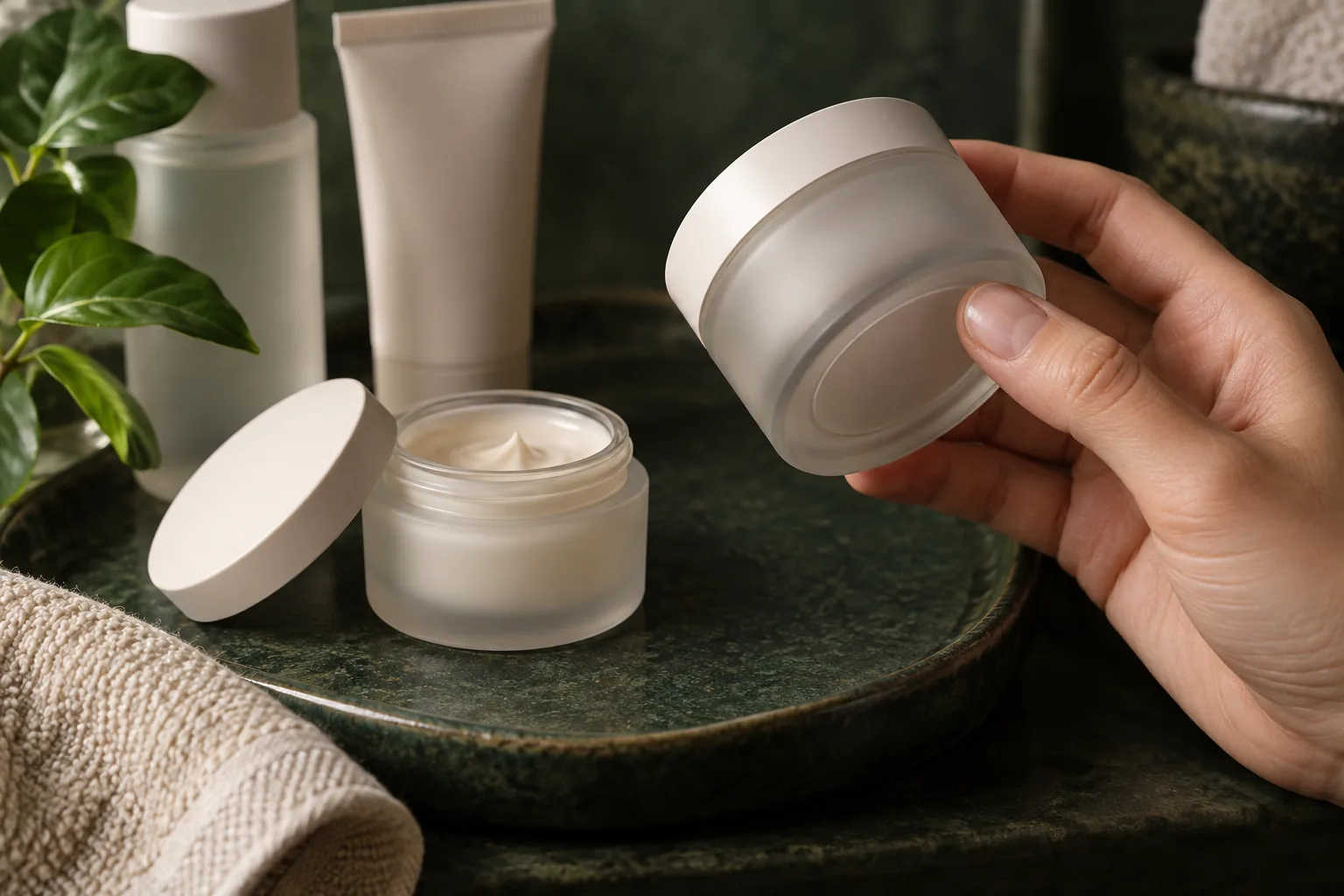
Read the FDA's explanation of cosmetic shelf life and labeling
Write down opening dates without making the system burdensome
Record the month you first opened each liquid, cream and eye product. A small removable mark on the container, a note in your phone or a page in the drawer works; choose the method you will actually maintain. Put the product name, opening month, package period and any special storage instruction on one line. The exact day is useful if you know it, but a month is better than a confident date invented later. Photograph the original label if it is printed on a carton that you plan to recycle. Keep the batch number separately if you may need to contact the maker.
If you cannot remember opening a product, do not interpret a clean surface as proof that it is recent. Check receipts or a dated photograph only if that takes moments; a long investigation is rarely worthwhile for a nearly empty tube. Separate known-recent items from unknown-history items rather than mixing them back together. For an old powder with uncertain history, you can consider its condition and the manufacturer's instructions. For an eye product with unknown history, especially mascara or liquid liner that repeatedly touches lashes, a conservative replacement is easier to justify. This is a practical risk decision, not a precise laboratory measurement.
Give mascara and other eye products a stricter inspection
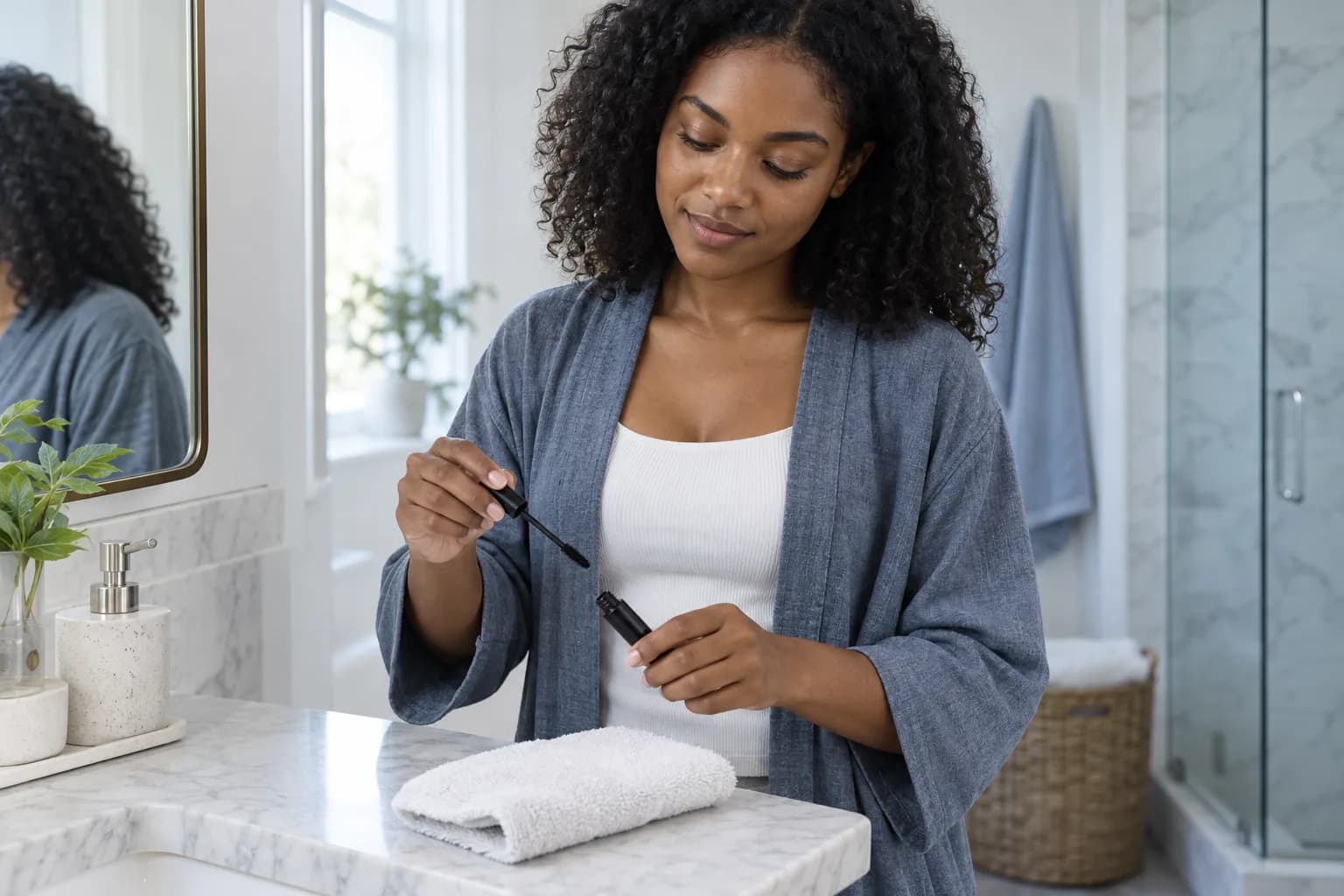
Mascara is an unusual case because its wand goes from tube to lashes and back again. The FDA notes that makers commonly recommend discarding mascara a few months after purchase and advises discarding it if it dries out. Follow the shorter applicable instruction on your own product. Do not add water or saliva to soften a dry tube; that changes the formula and can introduce organisms. Do not share mascara, liquid liner or a pencil used at the waterline. If you had an eye infection, stop using eye-area cosmetics and follow clinical advice about what to discard before returning to makeup.
Inspect without repeatedly opening and pumping the wand. Notice a changed odor, unusual clumps, separation, irritation or a tip that has been used on inflamed skin. A product can look ordinary and still warrant replacement because of its use history. Powder shadow has a different exposure pattern, but an applicator dipped into it after touching an irritated eye still matters. Wash reusable tools according to their care instructions and let them dry thoroughly before they touch a pan again. The decision combines the product, the applicator and the condition of the eye area; color payoff alone is not a safety check.
Separate harmless wear from a changed formula
Now examine complexion, cheek and lip products by type. A liquid foundation may separate slightly before the instructed shake, but persistent curdling, an unfamiliar smell, a color shift or a new texture after mixing is a different signal. Cream blush and concealer involve repeated contact with fingers or tools, so look for changed surface texture, visible spots and an applicator that has not been kept clean. A pressed powder may develop a hard glossy layer from oils transferred by a brush; this can change pickup without proving the entire compact is spoiled. Never scrape away suspicious growth and continue using the product.
Performance changes also have other explanations. A foundation that pills only over one sunscreen is not necessarily expired; layer order and film compatibility can create the same appearance. Conversely, a formula that suddenly smells wrong is not rescued by a flattering finish in a selfie. Compare the product with its normal state, not a universal stock photograph. If you have never used a formula before, seek the manufacturer's description or a fresh tester handled hygienically rather than judging from memory. When texture, odor or color has changed in a way you cannot explain, replacing the product is the straightforward choice.
Sort the bag by contact, formula and confidence
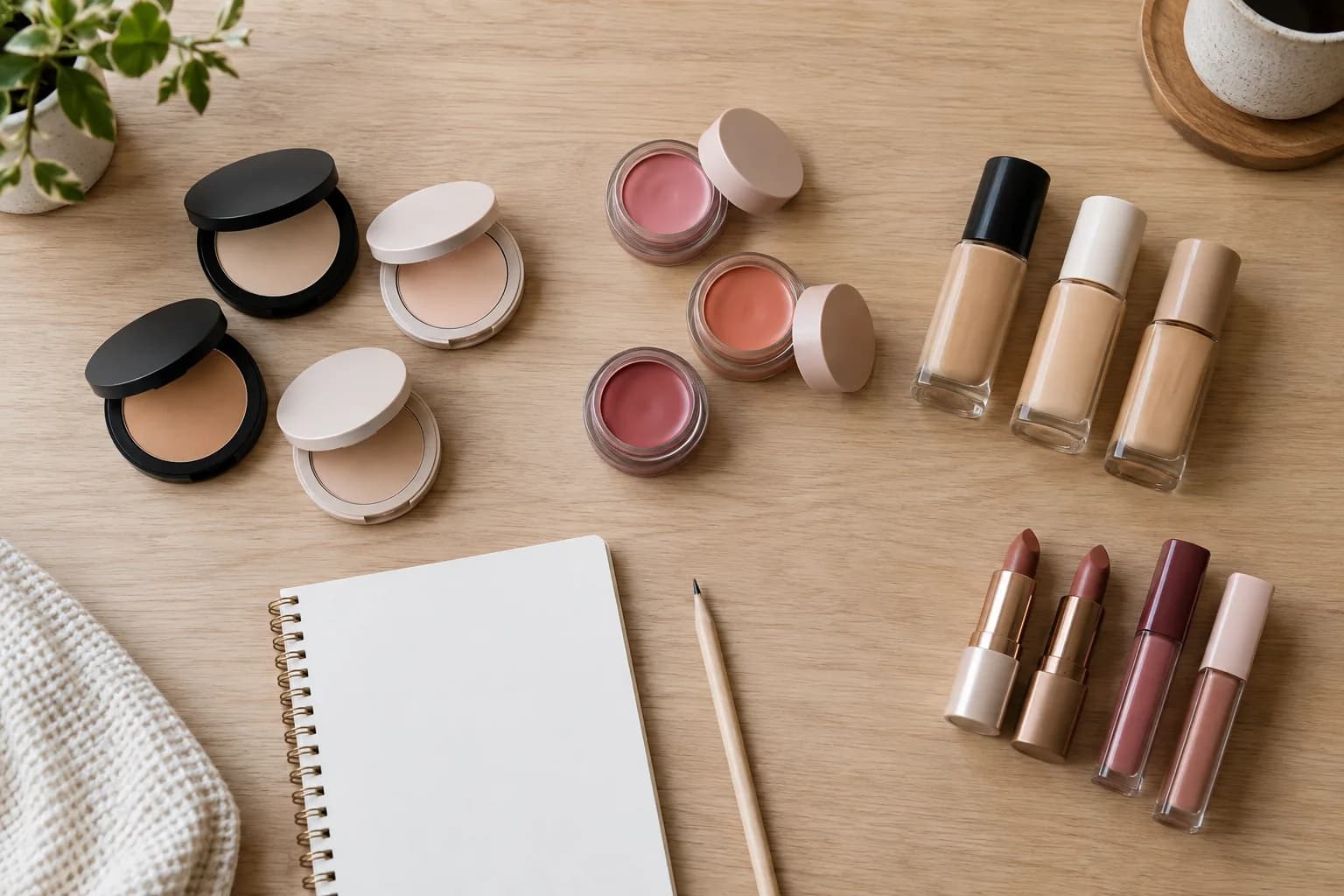
Make three physical groups on a clean surface: keep with a known opening history, check the maker's guidance, and replace. Start with items that touch the eyes or lips, then move through creams and liquids, and finish with dry powders and sealed backups. This order keeps the most contact-sensitive items from being hidden behind a large palette collection. Put a product in the check group when the printed instruction is unclear, the box is missing or a formula behaves differently but has no obvious spoilage. Do not use that group while you wait for an answer from the manufacturer.
A product in the keep group still needs ordinary care. Clean the cap and outside without washing liquid into the package, close it after use and use clean hands or tools. A product in the replace group should be disposed of according to local packaging guidance; separate parts only when that is practical and safe. Resist buying an identical replacement for every discarded color on the same day. Keep the few products you actually use in regular reach and note which sizes you finish before their stated period. Smaller purchases may make more sense than a crowded drawer of attractive but forgotten duplicates.
Store products so their labeled life remains meaningful
Heat, direct sun, humid bathrooms and repeated temperature swings can undermine the conditions behind a shelf-life estimate. Choose a cool, dry drawer or shelf away from the window and shower, unless a product's label gives a different instruction. Keep lids fully closed and avoid leaving makeup in a parked car or travel bag for days. Do not transfer a formula into a decorative jar merely to make the collection look tidy; the original container may protect it from air, light and contamination and carries directions you may need later.
Clean storage is a habit rather than a sterilization project. Wipe obvious spills on the outside, keep used sponges separate from closed products and let washed brushes dry before returning them to a case. A damp brush sealed in a pouch is not a good neighbor for a cream product. Our separate guide to foundation separation explains how preparation and formula compatibility can affect wear; shelf-life checks answer a different question about the product in its container. Keep both diagnoses separate so you do not discard a sound product merely because one application went badly, or keep a changed product because one application looked fine.

Make the next review a five-minute habit
At the start of each season, pull out the products that are nearly empty, rarely used or close to their stated period. Read your opening notes, check the container, then inspect only the products whose history or condition raises a question. This is faster than emptying the entire drawer every time. Carry a small travel kit with products you genuinely use; check it when you unpack rather than leaving a liquid formula in a warm toiletry bag for months. If a product causes stinging or an unexpected skin response, stop using it and seek appropriate medical advice when symptoms persist or are significant.
The final decision should be explainable in one sentence: 'opened recently and within label guidance,' 'unknown opening history near my eye,' or 'texture and smell changed after heat exposure.' A date alone is not a guarantee, and a normal-looking surface is not permission to ignore a printed limit. You do not need a complicated inventory app or a new purchase to keep this routine. A legible opening note, sensible storage, clean applicators and willingness to replace a doubtful item are enough to make a makeup collection easier to use and easier to trust.
Review the American Academy of Dermatology's makeup replacement advice