
Eye makeup technique
Stop eyeshadow creasing: a lighter lid routine
Find the layer that moves first, then test a thinner base, controlled shadow and a real midday wear check.

To stop eyeshadow creasing, first identify what has moved. A narrow line of pigment in the natural lid fold differs from shadow fading evenly across the whole lid, glitter migrating toward the brow, or a cream base lifting in patches. Each pattern calls for a different adjustment. The useful starting point is a clean photograph immediately after application and another when the first change appears. That record is more informative than adding powder over the finished crease at the end of the day.
A mobile lid folds and releases whenever you blink. Oil, skincare, heat, product texture and layer thickness can all affect what remains in place; none of these makes your eyelids defective. This guide builds the lightest repeatable routine for your actual hours and conditions. Begin with what you own, change one variable at a time and stop if a product causes stinging, persistent redness or swelling. A visually smooth result is never worth discomfort around the eyes.
Read the first sign of movement
Check the lid in ordinary light before touching it. A sharp colored ridge exactly inside the fold suggests that a flexible layer has collected where skin meets skin. A shiny bare patch beneath that ridge may mean the base and color traveled together. If the color disappears broadly without a ridge, you are looking at fading, which calls for a different investigation. Loose shimmer high above its original placement is fallout or migration. Photograph both eyes open and gently closed; a closed-eye close-up alone can exaggerate an issue that is invisible at conversation distance.
Record when the change appears. A ridge within thirty minutes often points toward too much unset cream or a heavy concealer base. A line that develops only late in a humid workday may reflect oil, perspiration, repeated contact or a formula that cannot meet that day's conditions. Note whether one eye is worse: its fold, your usual sleeping side, hair touching the lid or a habit of rubbing may explain the difference. Resist changing primer, shadow and setting powder all at once. One clear observation should guide one clear test.
Prepare a comfortable, dry working surface
Start with clean hands and a clean eye area, using a gentle routine suited to your skin. Remove yesterday's pigment and cleanser residue, then allow the eyelids to dry. Do not scrub delicate skin until it feels tight, and do not put alcohol or harsh degreasers near the eye. If you use sunscreen or eye cream, follow its directions and give it time to settle. A thin protective layer may be necessary for comfort; the goal is to avoid an obvious slippery surplus on the mobile lid, not to leave skin irritated or unprotected.
For a fair baseline, photograph the bare lid and apply your usual routine exactly once. If moisturizer, foundation and concealer all travel over the lid without intention, you may have three flexible layers before the color starts. On the next day, keep skincare consistent but omit unnecessary complexion products from the mobile lid. That single change can show whether the shadow itself is the problem. If the eyelid feels dry, itchy or sore, pause the wear experiment rather than treating discomfort as a signal to add more fixing powder.
Test a thin eye base instead of stacking coverage
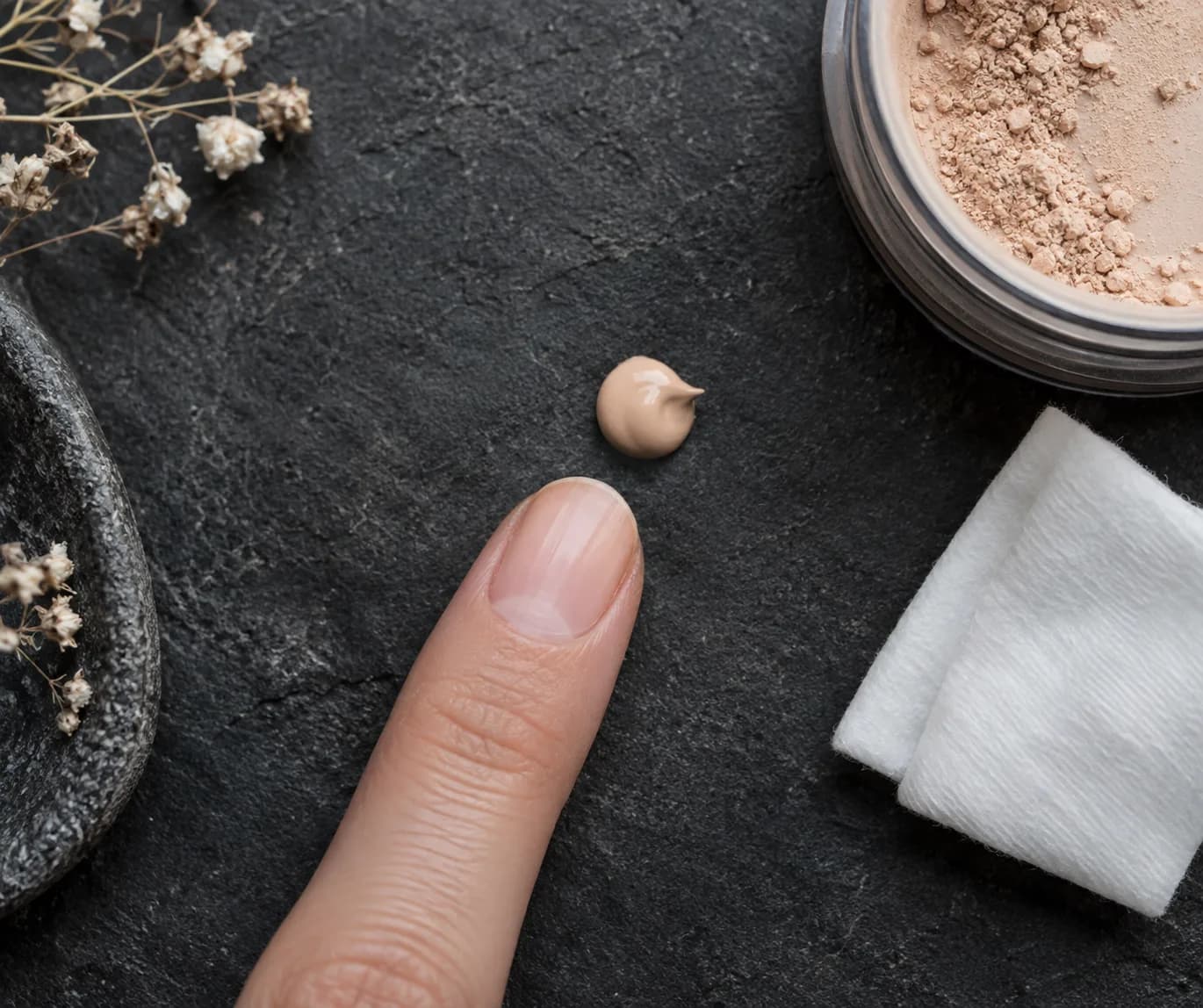
A dedicated eye base can be useful when shadow slips on bare skin, but its label is not proof that it fits your lid. Put a small amount on the mobile lid, spread it to a transparent film and keep excess out of the fold. Let it reach the finish described by the product before applying color. If it remains tacky, piling powder onto it can create a thick movable paste; if it dries too stiffly, blending may become patchy. Observe the finish rather than using the same waiting time for every formula.
Concealer is another possible base, not an automatic substitute for primer. A creamy concealer selected for under-eye flexibility may gather in a moving fold. If you prefer concealer to neutralize visible lid color, compare a very thin layer on one day with a dedicated eye base on another while keeping the same shadow. Use no base as a third baseline if your skin tolerates it. The best option is the one that keeps color readable at the required time without extra thickness, discomfort or difficult removal.
Stop eyeshadow creasing with measured color layers
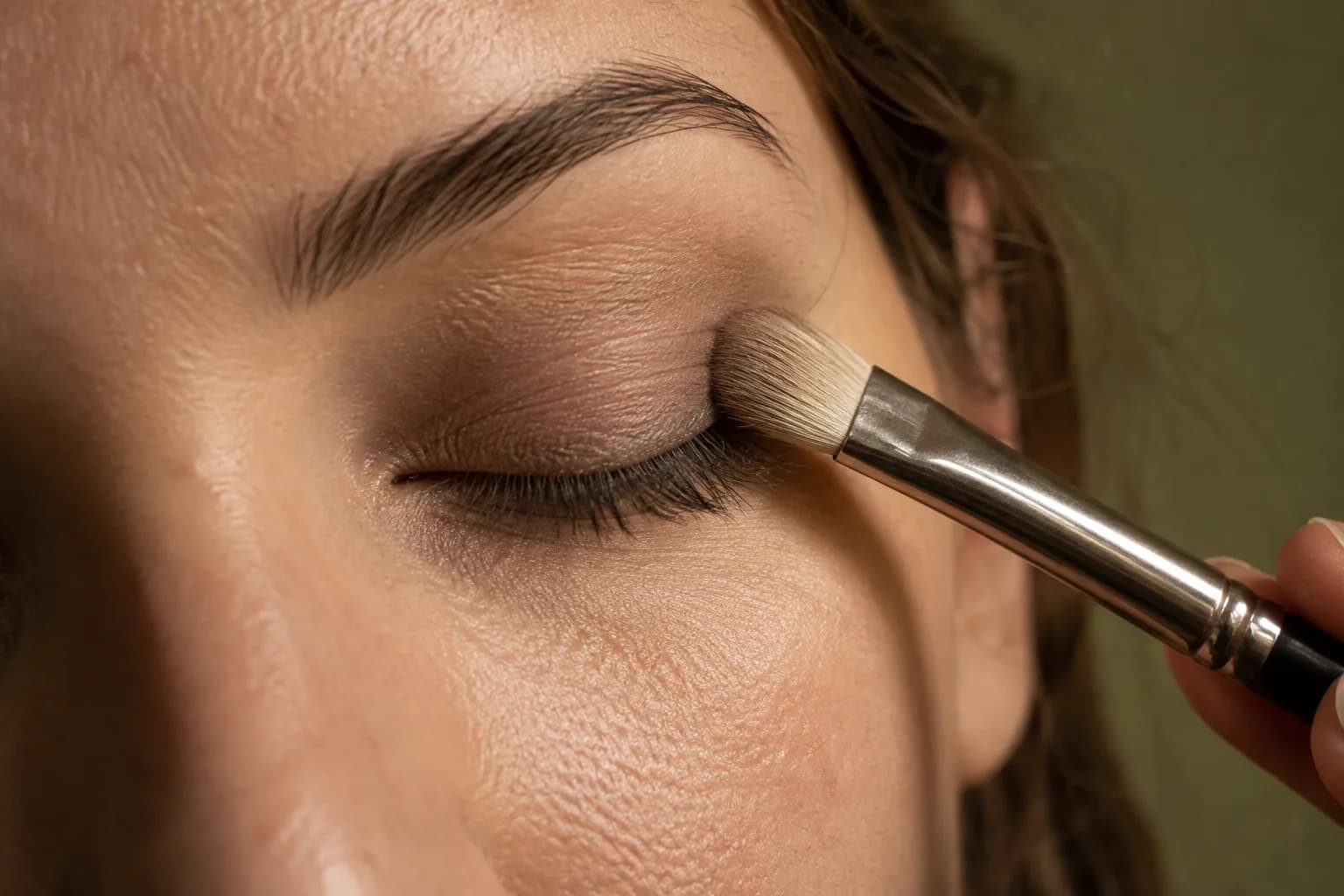
Load the brush lightly, tap off loose excess and press the first layer where you want the strongest color. Build in small passes rather than covering the whole lid with one opaque sweep. In the mobile area, too many creamy or highly reflective layers can fold together; at the edge, aggressive circular blending may lift the base before it has settled. Keep the crease transition soft, but do not drag a wet cream far above the fold. Open your eyes between passes to see where color actually remains visible.
Use the same shade and tools for your first comparison. Apply one thin layer to both eyes and photograph the result. If one side needs more depth, add a second controlled pass only there and note which side creases first. A finishing veil of powder is optional: it may help a tacky base, but too much can look dry and may not stop a slippery layer beneath it. Avoid carrying loose powder into the eye. A clean brush and small amount make the outcome easier to interpret and easier to remove.
Compare cream, powder and shimmer by behavior
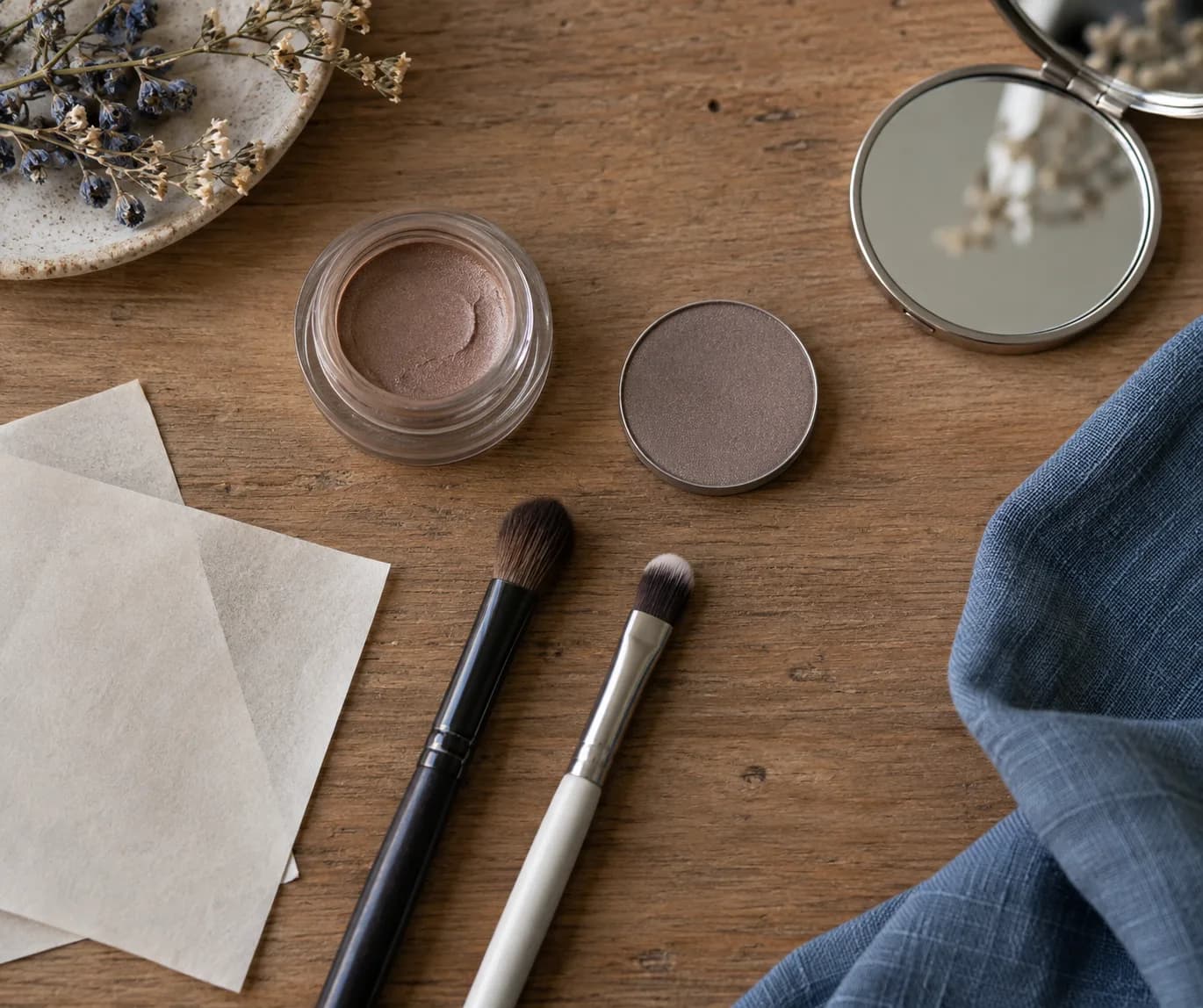
Texture matters as much as shade. A cream shadow may spread smoothly but remain flexible; a cream-to-powder formula may set faster; a pressed powder may adhere differently depending on the base below. These are tendencies, not guaranteed rankings. Use similar color depth when comparing categories so a darker pigment does not merely appear more durable. Apply each as directed, allow the intended setting time and check the same lid zone at the same hour. A formula that looks beautiful at application but makes a hard fold after lunch may suit a shorter occasion instead.
Shimmer creates another variable. Reflective particles can move even when the matte base beneath them stays put, particularly if the lid is rubbed or a glitter adhesive remains sticky. Put shimmer only where you want that effect and test it separately from the base color. If particles collect near the lash line, remove stray pieces gently with a clean tool rather than sweeping them toward the eye. Never substitute a craft glitter for an eye product. The FDA advises using cosmetics only as directed for the eye area and keeping tools clean.
Make the midday check useful
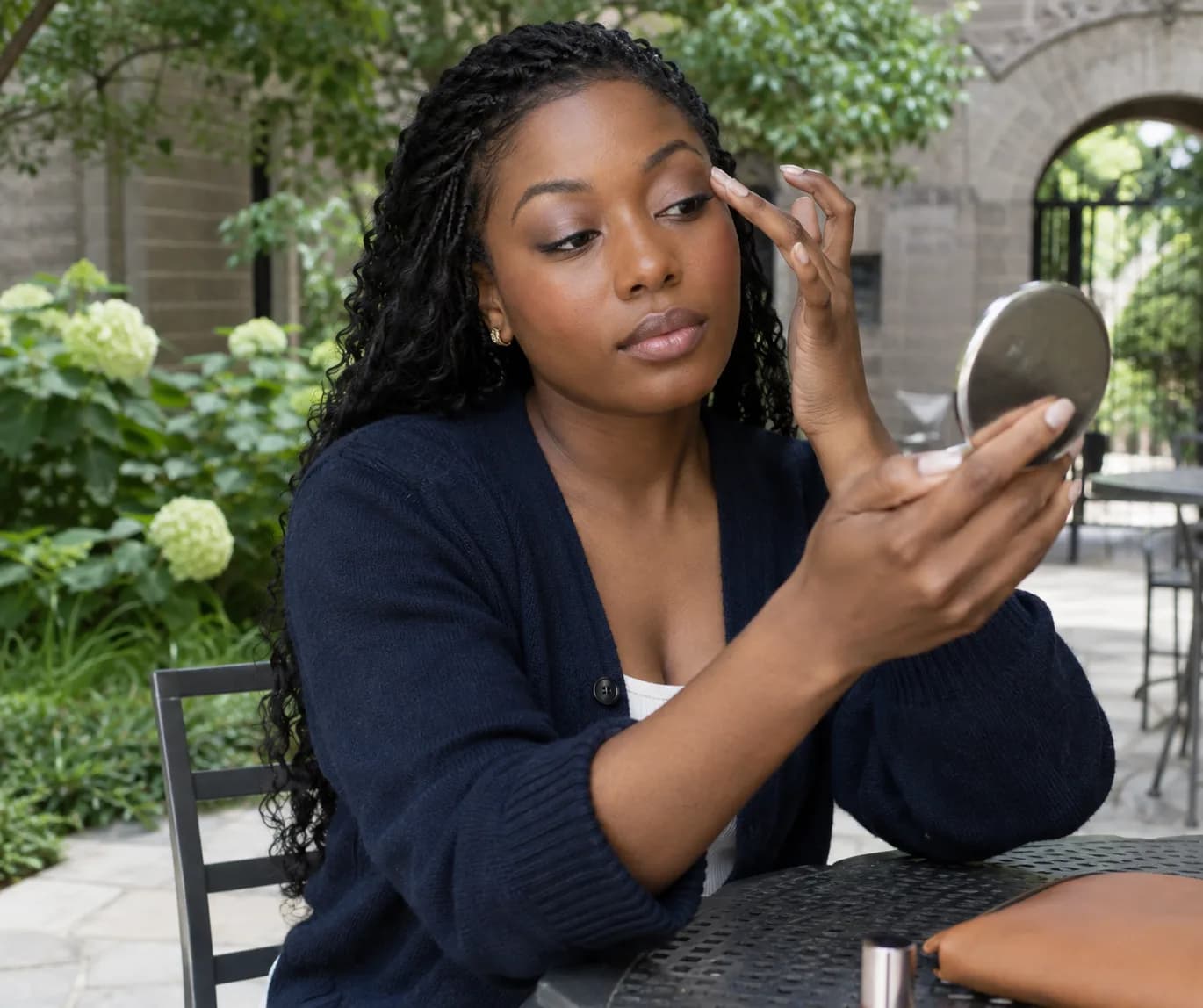
Check at a planned point such as lunch rather than every few minutes. Look straight ahead in natural or neutral light, then close the eye gently. Is the color still even at normal distance? Has a line formed inside the fold? Is there a bare patch, unexpected shine, or pigment above the original edge? Record room temperature, time outdoors and whether you touched your eyes. A phone photograph is useful only if its exposure and angle remain reasonably similar to the starting image; automatic brightening can hide fading.
If a thin ridge has formed, do not immediately smear more color across it. With clean hands, lift excess from the fold gently using a clean small applicator or tissue kept away from the eyeball, then decide whether a tiny amount of shadow is needed. For a one-time event, a discreet repair may be enough. For the next wear test, change the suspected cause before applying makeup. A repaired result tells you how to manage the day; a fresh controlled test tells you how to prevent the pattern.
Run a three-day comparison you can interpret
Day one is your honest baseline: regular skincare, normal lid coverage, your usual shade and usual application. Take a start photograph and a check at the hour that matters to you. Write down the first failure, not just whether the look survived. Day two keeps the same shade and weather conditions as closely as possible but removes unnecessary complexion coverage from the mobile lid and uses a thinner controlled layer. If the line improves, preparation or thickness was likely relevant. Do not claim a definite cause from one day if heat, exercise or watering eyes also changed.
Day three tests one remaining choice. If day two still creased, compare a thin eye base with the prior base, or switch only the shadow texture while leaving everything beneath it alone. Split-eye comparisons can be helpful for a short trial, but eye shape and oil may differ, so repeat any promising result on both eyes before making it your routine. Keep the winner only if it feels comfortable, removes gently and remains acceptable through your actual day. The goal is a repeatable adjustment, not a new pile of products.
Baseline, thinner preparation, then one base or texture change. Keep color, checking time and other conditions as steady as you can.
Keep eye safety ahead of staying power
A crease is a cosmetic inconvenience; pain, swelling, discharge, persistent redness or an itchy rash are different. Stop using the suspected product and seek suitable professional advice if symptoms persist or involve the eye. The American Academy of Dermatology notes that skin around the eyes is delicate and that makeup, remover, skincare or tools can be triggers for contact dermatitis. Do not try to solve an irritated lid by adding a stronger primer or more powder. Take a break and identify what changed in the routine.
Use clean brushes and applicators, avoid sharing eye cosmetics and follow product directions and use-by guidance. Remove makeup patiently rather than scrubbing a resistant layer at bedtime. If you have an eye infection, follow the FDA's advice to stop eye cosmetics and discard products used during that infection. Visual planning tools, including MaqAI, can help you choose a shadow shape or intensity, but no image can verify adhesion, comfort or wear on living skin. Only your controlled real-product trial can answer that question.
See AAD guidance on possible eye-area contact dermatitisTroubleshoot mascara transfer as a separate problem