Color harmony guide

How to coordinate makeup with a planned hair-color change

Compare contrast, warmth, depth, brows, cheeks, and lips around the new hair direction without rebuilding your identity around a palette rule.
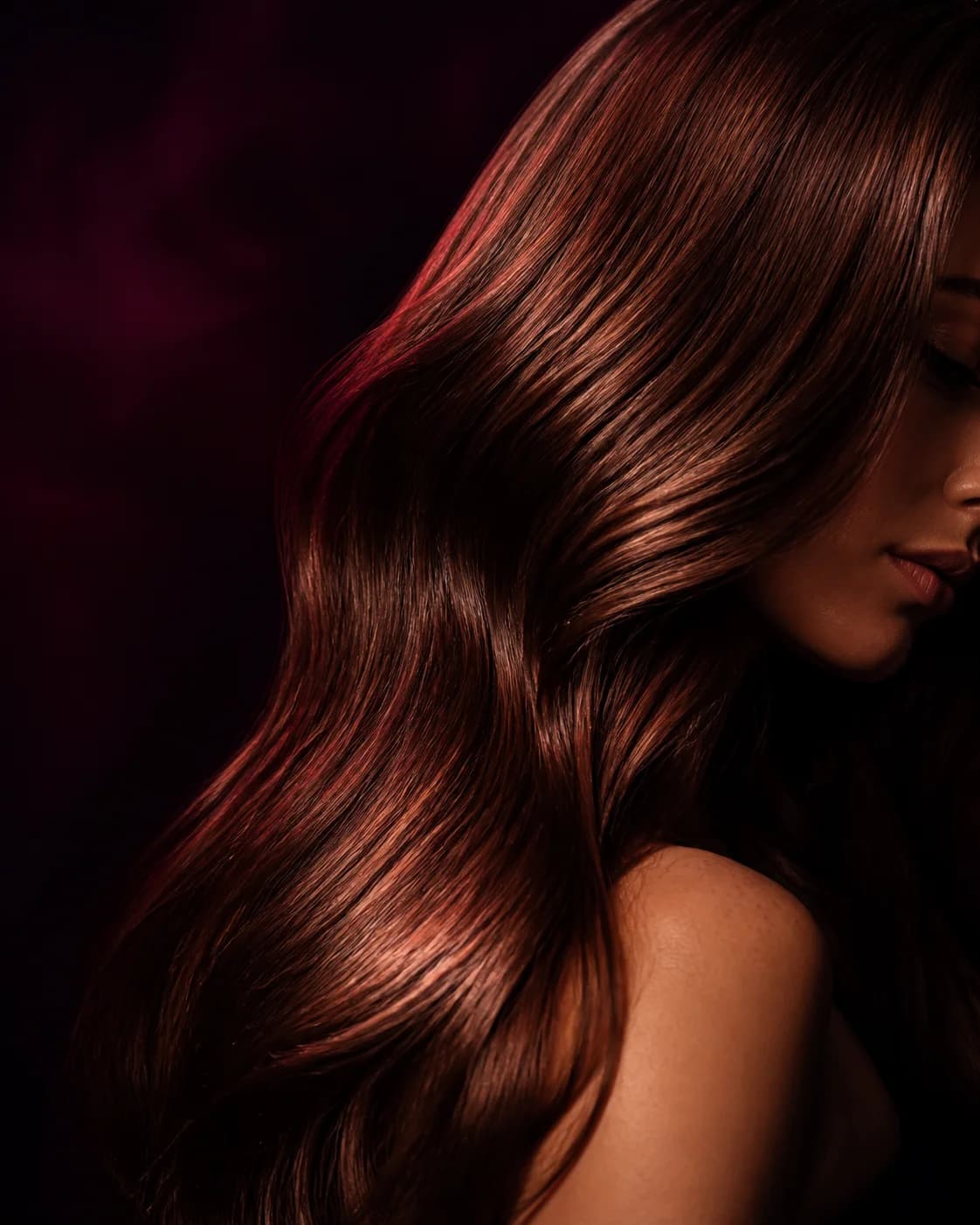
Sculptural copper-brunette hair used to coordinate a makeup palette

Quick read

Know what you are testing before you start.

This color harmony guide focuses on one practical question: Compare contrast, warmth, depth, brows, cheeks, and lips around the new hair direction without rebuilding your identity around a palette rule. Use the summary to decide whether that is the uncertainty blocking your next makeup decision.

The decision

Define the uncertainty.

Compare contrast, warmth, depth, brows, cheeks, and lips around the new hair direction without rebuilding your identity around a palette rule. Start with “Choose a neutral, familiar makeup baseline.” Finish with “Review the actual hair result in daylight.”

The method

Run one controlled experiment.

Keep the makeup fixed while the hair direction changes first. Follow the four stages below in order: anchor, read, adapt, reality.

The reality check

Know when the answer is clear.

The face retains a clear focal point beside the new frame. Makeup and hair support the same level of contrast and mood without forcing every shade warmer, cooler, or more intense than your preference.

Hair occupies a large area around the face, so a major change in depth, warmth, or saturation can alter how familiar makeup appears. The products have not changed; their visual relationships have.

Preview the hair direction first, then compare a few makeup adjustments. Preserve the colors you love unless the new context gives you a clear reason to adapt them.

Name what is changing in the hair

Separate depth, temperature, saturation, and distribution. Going from dark brown to copper changes more than warmth; it may also change brightness and the amount of color surrounding the face.

Highlights, colored ends, face-framing pieces, and a full global color create different relationships. Use the hair preview that best represents the planned service or styling direction.

Compare overall contrast

Darker hair can increase the frame around the face, while lighter hair can reduce contrast or shift attention toward brows and eyes. Saturated fashion color can become the dominant palette element.

Test whether your normal makeup still has the desired visual weight. Adjust one anchor before increasing every category.

Review brows and eye definition

Brow color does not need to match hair exactly. Decide whether the brows should connect softly, remain neutral, or provide deliberate structure.

For the eyes, compare lash-line depth, liner color, and shadow temperature around the new hair. A small change in definition may restore balance without changing the entire look.

  • Brow depth and softness
  • Liner value and color
  • Shadow warmth or coolness
  • Relationship between eye and hair contrast

Revisit cheek and lip families

Copper, golden blonde, ash, espresso, black, red, and vivid hair directions each change the surrounding color story. Compare one harmonious cheek or lip with one intentional contrast.

Do not assume warm hair requires only warm makeup or cool hair only cool makeup. Mixed palettes can create depth and personal style.

Account for the transition and maintenance

Fresh salon color, faded color, roots, toning, and different styling can change the context over time. Choose a makeup plan with enough flexibility to work through the stages that matter to you.

Save one everyday palette and one stronger alternative. Reassess after the real color service in neutral light because the preview cannot predict the exact dye result.

Bring the preview into two real conversations

Use the hair image with a qualified color professional to discuss what is achievable from your starting point, maintenance, condition, and service plan. Use the makeup image as a separate shade and placement brief.

Neither preview guarantees the final result. Together they help you see the full direction before making purchases or a permanent hair change.

Coordinate the relationships, then verify both hair and makeup with real products and professionals.

Run the experiment

Keep the makeup fixed while the hair direction changes first.

Hair color changes the frame, contrast, and reflected warmth around the face. Testing hair and makeup simultaneously makes it impossible to know which change created the new balance.

01 · Anchor

Choose a neutral, familiar makeup baseline.

Keep complexion, brows, eyes, cheeks, and lips consistent. Use one portrait and change only the broad hair color direction in the first comparison.

02 · Read

Observe contrast around brows, eyes, cheeks, and lips.

Notice whether the new hair makes existing makeup appear quieter, warmer, cooler, brighter, or heavier. Describe the relationship before changing products.

03 · Adapt

Adjust one makeup anchor at a time.

Test brow depth, cheek warmth, or lip contrast separately. Avoid rebuilding the entire palette around a seasonal rule when one small shift restores the intended hierarchy.

04 · Reality

Review the actual hair result in daylight.

Salon color, tonal variation, roots, fading, styling, and lighting differ from a preview. Make final makeup purchases after the real color is visible across the conditions you use.

Success signal

The face retains a clear focal point beside the new frame.

Makeup and hair support the same level of contrast and mood without forcing every shade warmer, cooler, or more intense than your preference.

Refine when

Change makeup only after identifying the displaced relationship.

If brows disappear, address brow depth; if lips become too dominant, adjust lip contrast. Do not replace the whole routine because the overall image initially feels unfamiliar.

Keep the original hair-and-makeup baseline, the preferred hair direction, and each single makeup adaptation. Note which changes are necessary only for a styled or freshly colored version and which remain useful during root grow-out or fading.

Good to know

Questions about this guide

Straight answers about the app, AI previews, privacy, and what to expect.

Does makeup need to match hair temperature?

No. Related temperatures create harmony, while intentional contrast can create a stronger style. Compare both directions.

Should brows match a new hair color?

Not exactly. Brow depth, neutrality, and softness can support the new frame without duplicating the hair shade.

Can the hair preview predict a salon result?

No. Starting color, condition, formula, process, lighting, and styling affect the real result. Use it as a conversation reference.

Put the guide into practice

Test one clear change on your own portrait.

Use Beauty Analysis & Advisor to compare the direction from this guide, save the result that works, and carry it into a real product or technique test.

Coming soon to theApp Store★★★★★Free download